Yemen strike plans shared in Signal chat with a journalist
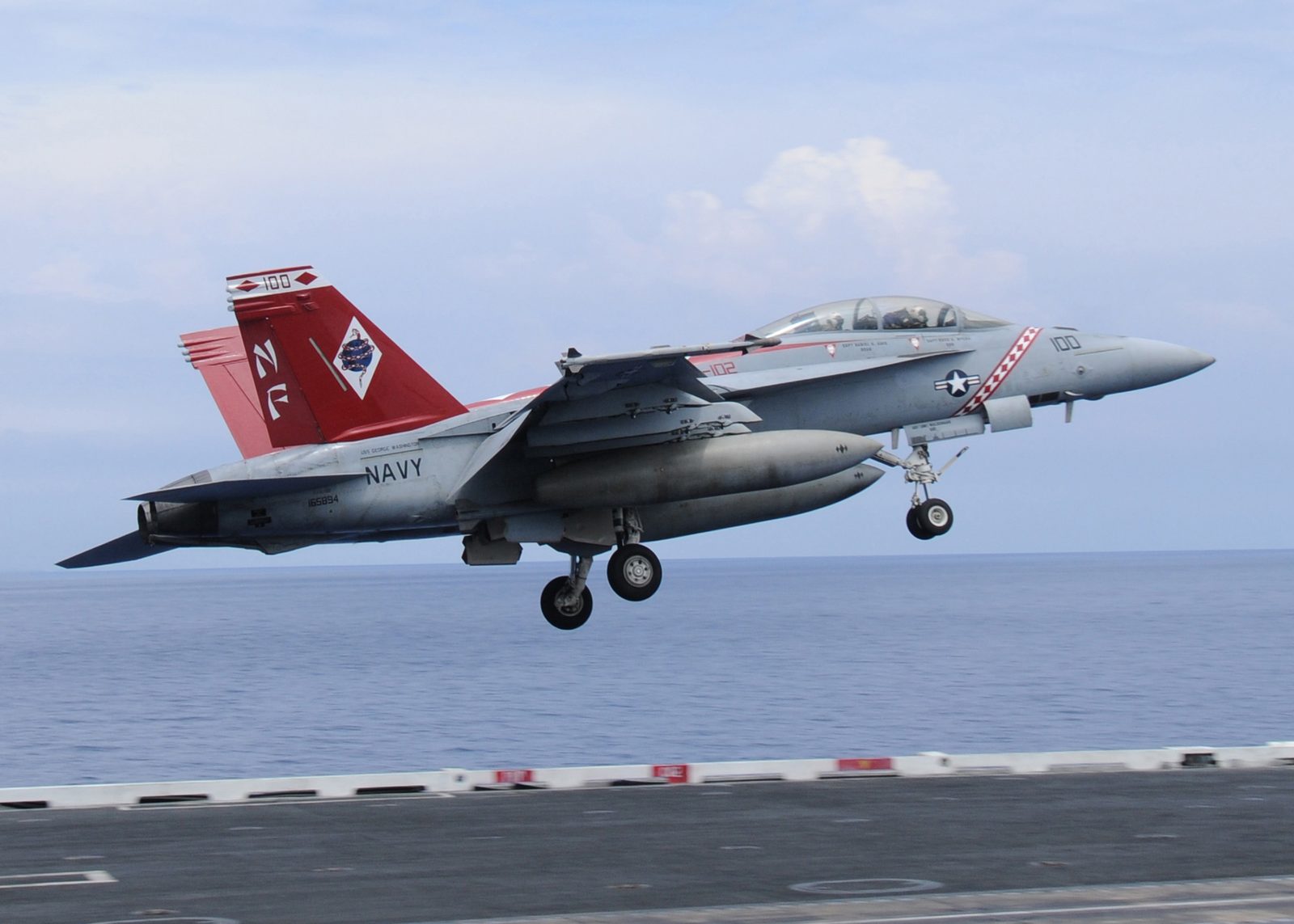
Hegseth shared F-18 launch timelines in a chat that included a news editor.
Key facts
- Pentagon IG found Hegseth violated regulations and put US personnel at risk
- Second Signal chat including Hegseth's wife also shared battle plans
- No prosecutions as of June 2026
Summary
Defense Secretary Pete Hegseth shared precise operational details of imminent US airstrikes on Houthi targets in Yemen - including attack sequencing, weapon types, and strike timing - in a Signal group chat that also included National Security Adviser Mike Waltz, Vice President Vance, and Atlantic editor-in-chief Jeffrey Goldberg, who had been accidentally added to the chat.
What happened
On March 11, 2025, Goldberg received a Signal message request from Mike Waltz. On March 14 the group debated military action in Yemen. On March 15 Hegseth posted operational details of the imminent strike, including sequencing, weather conditions, F-18 launch timelines (launch at 12:15 p.m. ET, a strike window opening at 1:45 p.m., and "first bombs will definitely drop" at 2:15 p.m.). At 1:48 p.m., Waltz reported in the chat that the building of the first target had collapsed. Goldberg published his account on March 24; the Atlantic released the full transcript on March 26. A National Security Council spokesperson said the thread "appears to be authentic." A Pentagon watchdog investigation subsequently found Hegseth violated DoD regulations by using a personal device and transmitting information classified at the "secret/no foreign" level. A second Signal chat including Hegseth's wife and brother, used to share additional battle plans, was later reported by the New York Times.
Impact on the United States
US pilots flying manned missions into Yemen were exposed to potential interception of their exact schedules and weapons load by hostile actors. The Pentagon watchdog concluded that if the messages had been intercepted, US service members and the mission would have been endangered. A former senior military official told PBS NewsHour that a lower-level service member who provided that level of information before the launch of manned aircraft would have been court-martialed; no such action was taken against Hegseth. The episode also demonstrated to adversaries the operational-security gaps at the highest levels of US national security leadership.
Global ripple effects
The breach signaled to Iran, Houthi forces, and other adversaries monitoring US communications that senior US officials discuss live strike plans on commercial apps; this knowledge reduces the surprise advantage of future US operations and may have enabled adaptive Houthi defenses. Allies lost confidence in the security of US-shared intelligence channels, adding to Five Eyes trust erosion.
Documented effects
- Pentagon Inspector General report (released December 2025) found Hegseth violated regulations and put US personnel at risk[1]
- Second Signal chat on Hegseth's personal phone - including his wife, brother, and personal lawyer - also shared Yemen strike details, the New York Times reported[5]
- The Pentagon called the inspector general's review "a total exoneration" of Hegseth and the White House said "operational security was not compromised"; no prosecutions filed as of 2026-06-19[1][2]
Why this is rated significant
Live attack plans were shared on a commercial app; the Pentagon inspector general found the messages would have endangered US personnel and the mission if intercepted, a serious operational-security lapse, though no interception or casualties were reported.
Pentagon watchdog report confirmed violations; no prosecutions as of 2026-06-19
Corrections & updates [6]
Every change to a fact on this page after publication is logged here, newest first.
- CorrectedSummary
Hegseth's message did not give a "promised completion time of 1:45 p.m." Per the published transcript (Al Jazeera), it listed an F-18 launch at 12:15 p.m. ET, a strike window opening at 1:45 p.m., and "first bombs will definitely drop" at 2:15 p.m.; at 1:48 p.m. Waltz reported the first target's building had collapsed. The authenticity confirmation came from a National Security Council spokesperson, who said the thread "appears to be authentic" (CBS News).[3][4]
- CorrectedSource
The second Signal chat (with Hegseth's wife, brother and personal lawyer) is not mentioned in the cited December 2025 NPR report; it was reported by the New York Times in April 2025 and is now cited to NPR's April 23, 2025 report, which describes it as reported rather than confirmed. The PBS NewsHour report is dated December 3, 2025.[5]
- ClarifiedSummary
The court-martial comparison is attributed: in PBS NewsHour's report it is the view of a former senior military official, not a finding of the inspector general.[1]
+ Show previous and current text- Hide previous and current text
- Previously
- US pilots flying manned missions into Yemen were exposed to potential interception of their exact schedules and weapons load by hostile actors. The Pentagon watchdog concluded that if the messages had been intercepted, US service members and the mission would have been endangered. A lower-ranking service member providing equivalent information before a manned aircraft launch would face court-martial; no such action was taken against Hegseth. The episode also demonstrated to adversaries the operational-security gaps at the highest levels of US national security leadership.
- Now
- US pilots flying manned missions into Yemen were exposed to potential interception of their exact schedules and weapons load by hostile actors. The Pentagon watchdog concluded that if the messages had been intercepted, US service members and the mission would have been endangered. A former senior military official told PBS NewsHour that a lower-level service member who provided that level of information before the launch of manned aircraft would have been court-martialed; no such action was taken against Hegseth. The episode also demonstrated to adversaries the operational-security gaps at the highest levels of US national security leadership.
- CorrectedKey facts
An effect said no service members were reported killed or captured as a direct result, citing PBS NewsHour, which does not say this; the claim is removed. What PBS and NPR report is added: the Pentagon called the inspector general's review "a total exoneration" and the White House said operational security was not compromised, while the inspector general found the messages, if intercepted, would have endangered US service members and the mission. The display text said the watchdog found the disclosure "endangered US pilots"; it now follows the inspector general's finding as reported.[1][2]
- ClarifiedSeverity rationale
The severity rationale stated as fact that the plans were exposed 'endangering US pilots'; it now attributes the risk assessment to the inspector general. Severity unchanged.
+ Show previous and current text- Hide previous and current text
- Previously
- Exposed live attack plans on a commercial app endangering US pilots, a serious operational-security failure though no interception or casualties occurred.
- Now
- Live attack plans were shared on a commercial app; the Pentagon inspector general found the messages would have endangered US personnel and the mission if intercepted, a serious operational-security lapse, though no interception or casualties were reported.
- CorrectedDisplay copy
The headline said the plans were 'leaked'; per the record they were posted in a Signal chat that accidentally included a journalist. The key fact said the IG found Hegseth 'endangered US personnel'; it now uses the record's wording (put personnel at risk).
Sources [5]
- T2PBS NewsHour - Hegseth's Signal chat put U.S. personnel at risk, Pentagon watchdog finds · Dec 3, 2025 ↗
- T2NPR - Pentagon report on Signalgate reveals Hegseth's group chat violated regulations · Dec 4, 2025 ↗
- T2Al Jazeera - Full transcript of Trump team's Yemen attack plan that was shared on Signal · Mar 27, 2025 ↗
- T2CBS News - Which Trump officials were in the Signal chat? Here's who was in the group The Atlantic editor was added to · Mar 26, 2025 ↗
- T2NPR - Former Pentagon official on Hegseth turmoil: 'It looks like they actually broke the law' · Apr 23, 2025 ↗
Image: Mass Communication Specialist Seaman Christopher S. Harte, U.S. Navy, Public Domain (US_Navy_090824-N-1062H-032_An_F-A-18F_Super_Hornet_assigned_to_the_Diamondbacks_of_Strike_Fighter_Squadron_(VFA)_102_launches_from_the_aircraft_carrier_USS_George_Washington_(CVN_73).jpg)