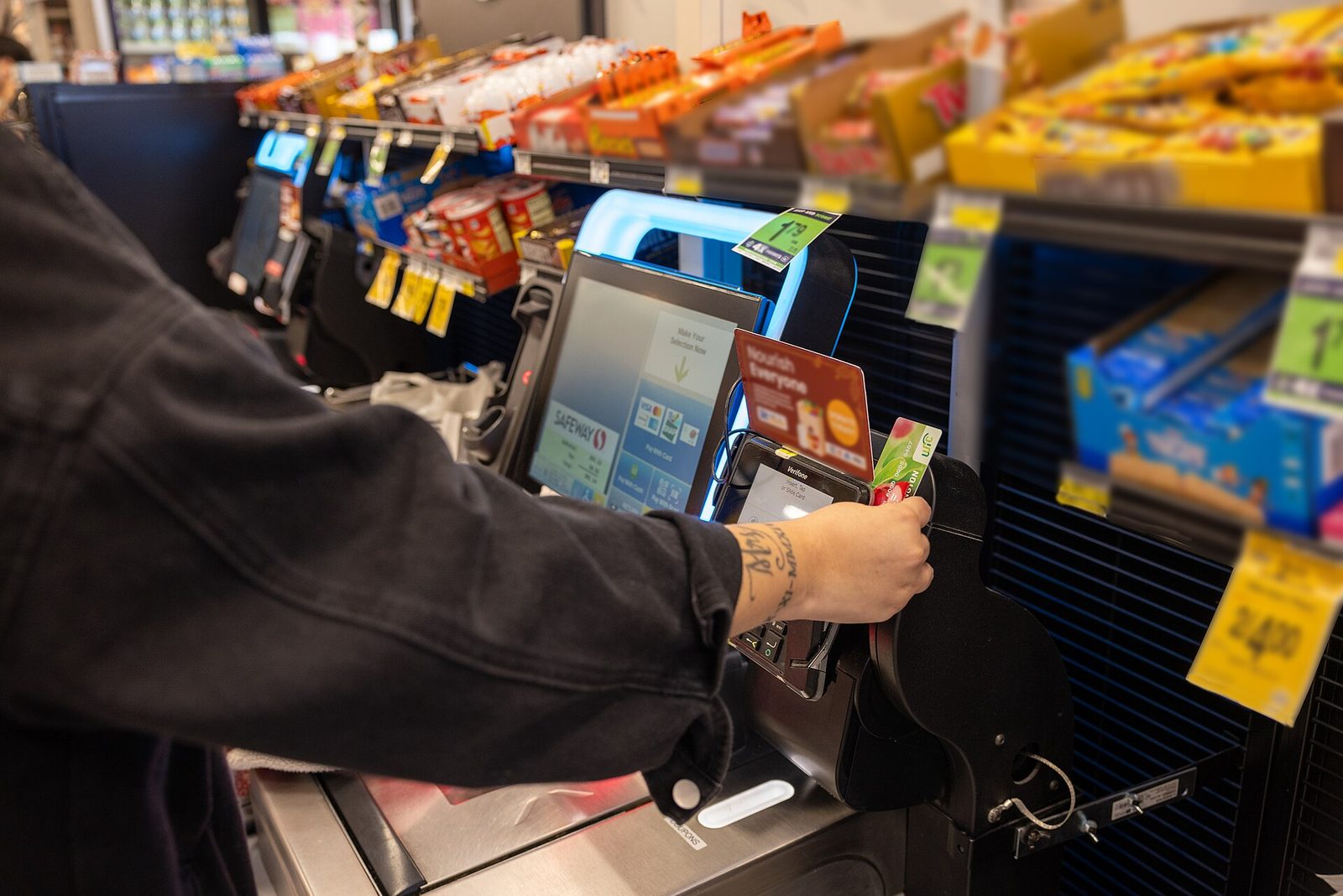
Largest SNAP cut in history: ~$186 billion
Expanded work requirements and a first-ever state cost-share shrink food assistance for millions.
Key facts
- ~$186B cut over a decade (CBO) - largest ever
- Work requirements to age 64; live since Nov 1, 2025
- SNAP enrollment down >13% (5.6M) May 2025-May 2026
Summary
The July 4, 2025 reconciliation law (H.R. 1) cut federal SNAP food assistance by roughly $186 billion over a decade - the largest cut in the program's history - by expanding work requirements to older adults and parents, shifting benefit costs to states for the first time, and capping future benefit growth.
What happened
OBBBA expanded SNAP work requirements to able-bodied adults up to age 64 and to parents of children 14 and older (in force in most states since November 1, 2025), and for the first time requires states to pay 5-15% of benefit costs (from FY2028, based on payment-error rates) while raising the state share of administrative costs from 50% to 75% (FY2027). Future Thrifty Food Plan updates are capped to inflation, ending real benefit growth.
Impact on the United States
CBO projects the changes reduce federal SNAP spending by about $186 billion over 2025-2034, a federal saving achieved by removing food assistance from millions of low-income Americans. SNAP enrollment fell from 42.2 million in May 2025 to 36.6 million in May 2026 (more than 13%) as the work-requirement expansion took effect, raising food insecurity with downstream health and child-development costs.
Documented effects
- CBO scored H.R. 1's SNAP provisions at roughly $186 billion in reduced federal spending over 2025-2034 - the largest SNAP cut in history.[1]
- SNAP enrollment fell from 42.2 million in May 2025 to 36.6 million in May 2026, a drop of more than 13%, as the expanded work requirements took hold.[4][2]
- A new state benefit cost-share of 5-15% (tied to payment-error rates) begins FY2028, and the federal administrative-cost match drops from 50% to 25% (FY2027), pressuring state budgets.[2][5]
Projected cost to Americans
Cumulative cost if current policy holds: direct federal cost plus the broader economic burden. A conservative, lower-bound estimate (medium confidence).
- So far
- $0
- By 2035
- $0
- By 2040
- $0
How this is calculated: Marks the bill's SNAP food-assistance SAVING (the tax-cut cost side is booked under obbba-reconciliation-law). Layer 1 (direct federal): CBO scores the enacted law's nutrition subtitle (Title I Subtitle A, Table 1) at -$186.65B in federal outlays over FY2025-2034 [S1] (work requirements -$68.6B, state benefit matching -$40.8B, Thrifty Food Plan -$37.3B, administrative cost share -$24.7B, other items and interactions the rest) - the largest SNAP cut in history - via expanded work requirements (ABAWD age raised to 64 and parents of children 14+, in force in most states since Nov 1, 2025), a new state benefit cost-share of 5-15% from FY2028, a 50%->75% state administrative-cost share from FY2027, and a Thrifty-Food-Plan growth cap. net_cost_10yr_usd = -186,650,000,000 (CBO window FY2025-2034; nothing added for FY2035). 15yr (through 2040) = -$186.65B plus FY2035-2040 at CBO's 10-year average pace (~$18.67B/yr x 6 = -$112.0B) = -$298.64B; conservative, since CBO's FY2034 figure alone is -$25.4B. Layer 2 (broader, borne by Americans) = 0, a floor: the household burden of a benefit cut is booked only from a published estimate of that burden, not by mirroring the federal saving, and no source puts a dollar figure on it. For scale, not booked: CBO's saving includes $40.8B of benefit costs and $24.7B of administrative costs shifted to states [S1], and CBO estimates nearly 4 million people in a typical month would lose at least some benefits once the law is fully in effect [S3]. This replaces an unsourced ~$40B "downstream health" estimate; health and child-development costs are not monetized. Context: SNAP enrollment fell from 42.2M (May 2025) to 36.6M (May 2026), more than 13% [S4], though the drop has several causes (paperwork barriers, the work-requirement expansion, post-pandemic decline) and is not all attributable to the law.
Why this is rated severe
The largest cut to federal food assistance in the program's history (~$186B), expanding work requirements and shifting benefit costs to states - putting millions of low-income Americans at risk of losing food aid; SNAP enrollment fell by more than 13% (42.2 million to 36.6 million) from May 2025 to May 2026.
Corrections & updates [6]
Every change to a fact on this page after publication is logged here, newest first.
- UpdatedFigure
Newer federal data: SNAP enrollment fell from 42.2 million in May 2025 to 36.6 million in May 2026, a drop of more than 13% (AP, via PBS, Aug 21, 2026). CBPP's tracker now estimates a decline of over 5 million (nearly 13%) from July 2025 to June 2026. The earlier 'more than 3.5 million by February 2026' figure is replaced with the current data.[4][2]
- CorrectedSource
Source metadata corrected. The CBPP tracker is a living page now titled 'SNAP Tracker: People Are Losing Food Assistance as the Harmful 2025 Republican Reconciliation Law Is Implemented' (last updated September 24, 2026). The AARP article is titled 'What to Know as SNAP Work Requirements Take Effect' and was published November 3, 2025.[2][3]
- ClarifiedWhat happened
AP reports the expanded work requirement has kicked in for most of the country but will not begin in some places until 2027, so 'in force since November 1, 2025' is narrowed to most states.[3][4]
+ Show previous and current text- Hide previous and current text
- Previously
- OBBBA expanded SNAP work requirements to able-bodied adults up to age 64 and to parents of children 14 and older (in force since November 1, 2025), and for the first time requires states to pay 5-15% of benefit costs (from FY2028, based on payment-error rates) while raising the state share of administrative costs from 50% to 75% (FY2027). Future Thrifty Food Plan updates are capped to inflation, ending real benefit growth.
- Now
- OBBBA expanded SNAP work requirements to able-bodied adults up to age 64 and to parents of children 14 and older (in force in most states since November 1, 2025), and for the first time requires states to pay 5-15% of benefit costs (from FY2028, based on payment-error rates) while raising the state share of administrative costs from 50% to 75% (FY2027). Future Thrifty Food Plan updates are capped to inflation, ending real benefit growth.
- CorrectedSource
Added the law itself as the source for the cost-sharing changes: section 10106 of Public Law 119-21 sets the federal share of state SNAP administrative costs at 50 percent through fiscal 2026 and 25 percent from fiscal 2027, and section 10105 makes states pay 0-15 percent of benefit costs, by payment-error rate, beginning in fiscal 2028.[5]
- UpdatedSummary card
Updated the summary card, which said participation had fallen by more than 3.5 million by early 2026, with the entry's current figure: SNAP enrollment fell from 42.2 million in May 2025 to 36.6 million in May 2026 (AP).[4]
+ Show previous and current text- Hide previous and current text
- Previously
- The reconciliation law cut SNAP by roughly $186 billion - the biggest cut in the program's history - by expanding work requirements to older adults and parents and, for the first time, making states pay 5-15% of benefit costs from 2028. Participation had already fallen more than 3.5 million by early 2026.
- Now
- The reconciliation law cut SNAP by roughly $186 billion - the biggest cut in the program's history - by expanding work requirements to older adults and parents and, for the first time, making states pay 5-15% of benefit costs from 2028. Enrollment fell from 42.2 million in May 2025 to 36.6 million in May 2026.
- CorrectedCost estimate
Re-sourced to CBO's table for the enacted law ($186.65B SNAP cut over FY2025-2034). The mid-2026 saving is now CBO's own FY2026 estimate, pro-rated, instead of an unsourced guess. The unsourced ~$40B broader-cost estimate is removed; no published study puts a dollar figure on the burden to households, so the broader cost is left at $0 (a floor) rather than set equal to the federal saving. The 15-year figure extends CBO's 10-year average pace.
- Previously
- net -$3B so far (gross $1B, saved $4B); 10yr -$186B; 15yr -$220B; broader $40B
- Now
- net -$5.97B so far (saved $5.97B); 10yr -$186.65B; 15yr -$298.6B; broader $0
Sources [5]
- T1Congressional Budget Office - Estimated Budgetary Effects of H.R. 1, the One Big Beautiful Bill Act · Jul 21, 2025 ↗
- T3Center on Budget and Policy Priorities - SNAP Tracker: People Are Losing Food Assistance as the Harmful 2025 Republican Reconciliation Law Is Implemented · Sep 24, 2026 ↗
- T3AARP - What to Know as SNAP Work Requirements Take Effect · Nov 3, 2025 ↗
- T2PBS News (Associated Press) - Enrollment in SNAP grocery aid is dropping faster than expected · Aug 21, 2026 ↗
- T1U.S. Government Publishing Office - Public Law 119-21 (An Act to provide for reconciliation pursuant to title II of H. Con. Res. 14), sections 10105 and 10106 · Jul 4, 2025 ↗
Image: U.S. Department of Agriculture, Public domain (Wikimedia Commons)