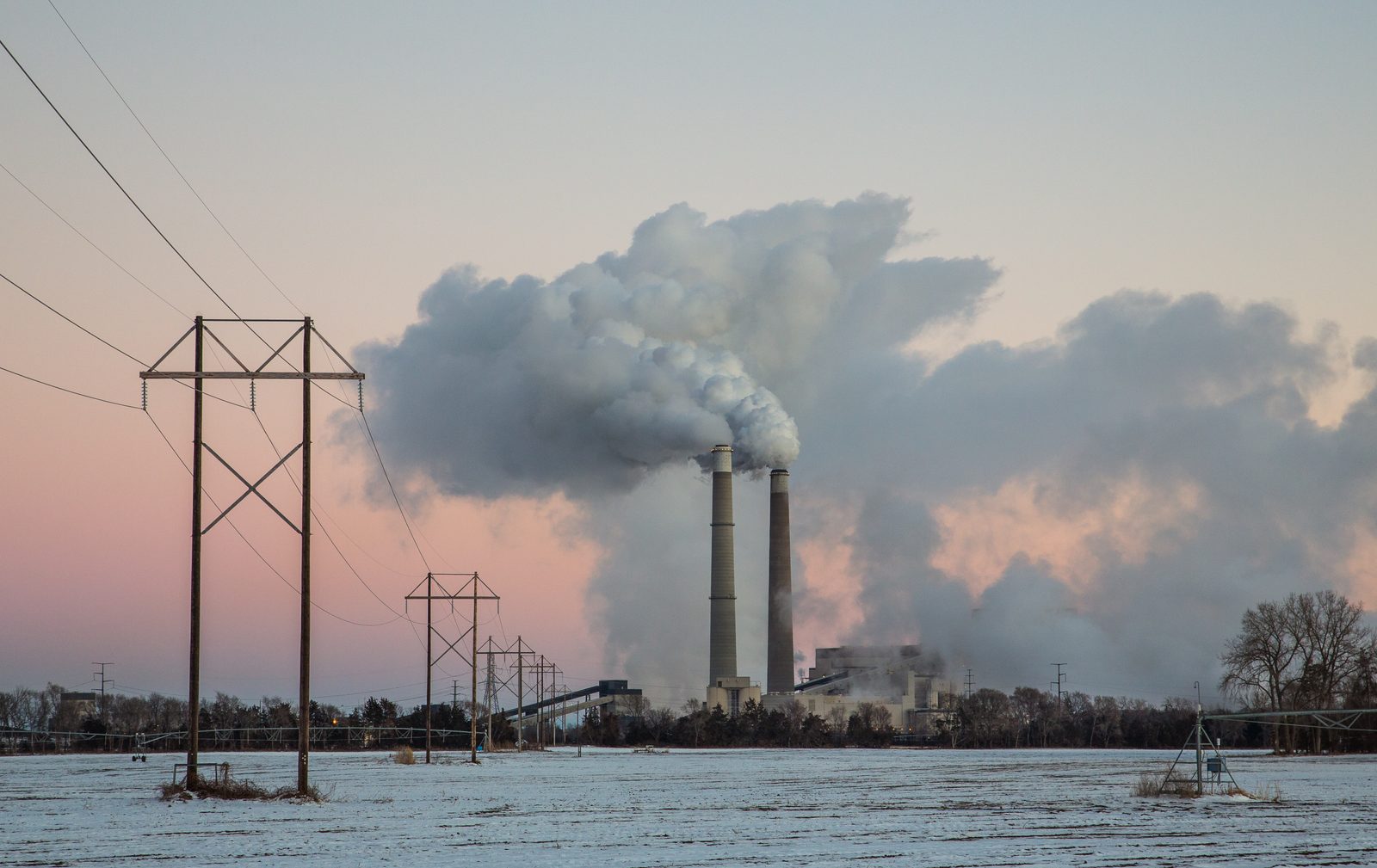
60+ power plants exempted from mercury rule
Two-year exemptions were followed by a 2026 repeal of the stricter Biden-era mercury and air-toxics limits.
Key facts
- 60+ plants from 47 owners got 2-year MATS exemptions April 2025
- 2024 MATS amendments repealed Feb 2026
- Exempted plants hold about one third of US coal capacity
Summary
In April 2025, a presidential proclamation gave more than 60 power plants, mostly coal-fired, a two-year exemption from the Biden-era 2024 Mercury and Air Toxics Standards (MATS) amendments. In February 2026, EPA finalized a full repeal of the 2024 MATS amendments, permanently loosening filterable particulate matter standards and mercury limits for lignite-fired plants.
What happened
The Biden EPA's 2024 MATS update strengthened mercury limits for lignite-fired plants, required all plants to use PM Continuous Emissions Monitoring Systems, and revised particulate matter standards. In April 2025, President Trump issued a proclamation (Proclamation 10914) exempting listed facilities from these requirements for two years beyond the rule's July 8, 2027 compliance date; EPA's list covered 47 plant owners and more than 60 plants. In February 2026, EPA finalized the full repeal of the 2024 MATS amendments. Mercury is a neurotoxin, and coal-fired power plants are the largest US source of airborne mercury emissions, EPA has previously said. Plants remain subject to the original 2012 standards, which nearly all coal plants already meet.
Impact on the United States
The repeal lets coal plants release more heavy metals, such as mercury and lead, than the 2024 limits would have allowed. The exempted plants are in 23 states and have 64 gigawatts of coal capacity, roughly one third of US coal generating capacity.
Documented effects
- A presidential proclamation signed April 8, 2025 gave listed coal plants two more years to comply with the 2024 MATS amendments, which were set to take effect in 2027; EPA's list covered 47 plant owners and more than 60 plants.[3][4]
- EPA finalized repeal of the 2024 MATS amendments in February 2026, permanently removing the filterable PM standard for coal plants and the updated mercury standard for lignite-fired units.[2]
Projected cost to Americans
Cumulative cost if current policy holds: direct federal cost plus the broader economic burden. A conservative, lower-bound estimate (medium confidence).
- So far
- $0
- By 2035
- $360M
- By 2040
- $360M
How this is calculated: Layer 1 (direct federal) = 0: MATS compliance costs fall on utilities, not federal outlays, and the prior ~$150M/yr federal health-spending share was unsourced and has been removed. Layer 2 uses EPA's own analysis of the 2024 MATS amendments that were repealed: over 2028-2037 their monetized benefits were a present value of ~$420M, an equivalent annualized value of ~$47M/yr (PM2.5/ozone health ~$33M/yr plus climate ~$14M/yr, 2% discount rate) [S5]. The repeal forgoes those benefits from the 2027 compliance date on; 2028 through FY2035 (~7.75 years) x $47M/yr = ~$364M, booked as $360M. This is a floor: EPA did not monetize the mercury and non-mercury metal (HAP) reductions [S5]. Not netted: the utilities' avoided compliance costs (EPA 2026: present value $670M at 3% / $490M at 7% over 2028-2037) [S2][S6], which are industry savings rather than a benefit to the public. Medium confidence: EPA's own numbers, simple pro-rating.
Why this is rated severe
Weakening and repealing the 2024 mercury standards lets coal plants emit more mercury and other toxic metals than the stricter limits would have allowed, across plants holding about a third of US coal capacity.
final repeal of 2024 MATS amendments finalized February 2026
Corrections & updates [4]
Every change to a fact on this page after publication is logged here, newest first.
- CorrectedWhat happened
The April 2025 exemptions came from a presidential proclamation, Proclamation 10914, signed April 8, 2025. The entry said "the Trump EPA" issued it. The effect about the exemptions cited a TIME article from February 2026, which does not cover them. It is now cited to the proclamation and to Inside Climate News. That report says EPA listed 47 plant owners and more than 60 plants, and gave them two more years to meet standards scheduled to tighten in 2027. The claim that the exemptions "immediately" relieved plants of pollution-control obligations is removed. The plants remain subject to the original MATS limits.[3][4]
- CorrectedSource
EPA's release on the final repeal of the 2024 MATS amendments is dated February 20, 2026, not February 1.[2]
- CorrectedFigure
The entry said 68 coal-fired plants (or 47 companies operating 68 units) were exempted. The cited report says EPA listed 47 plant owners and more than 60 plants, mostly coal with a few that burn gas or petroleum; the proclamation's text gives no count. The claims that fish-consumption advisories cover 49 states and that advocates estimate thousands of added premature deaths are in no cited source and are removed. The text now states what Inside Climate News, TIME and EPA report, including that plants remain subject to the 2012 standards.[1][2][3][4]
- CorrectedCost estimate
Removed the $4.2B-a-year figure: its 360-deaths input is in no cited source, and EPA's own analysis valued all monetized benefits of the repealed 2024 mercury-rule amendments at about $47M a year. The amendments would only have applied from July 2027, so nothing is booked as realized yet. The broader cost is now EPA's $47M a year from 2028 to FY2035 (about $360M), a floor because EPA did not put a dollar value on the mercury reductions.
- Previously
- $4.2B so far; $1.5B / $2.5B federal 10yr/15yr; $33B broader 10yr
- Now
- $0 so far; $0 federal; $0.36B broader 10yr
Sources [4]
- T2Time - Trump Weakens Rules Limiting Pollution from Coal Plants · Feb 20, 2026 ↗
- T1US EPA - EPA Continues to Reverse Democrats' War on Beautiful Clean Coal, Finalizes Repeal of Costly Restrictions on Baseload Power Generation · Feb 20, 2026 ↗
- T3Inside Climate News - More Than 60 Power Plants Exempted From Federal Mercury Limits · Apr 16, 2025 ↗
- T1Federal Register - Proclamation 10914: Regulatory Relief for Certain Stationary Sources To Promote American Energy · Apr 21, 2025 ↗
Image: Tony Webster, CC BY-SA 2.0 (Wikimedia Commons)