Habitat loss excluded from ESA harm
A final rule effective Sept. 14, 2026 removed the definition that let habitat destruction count as harm.
Key facts
- 'Harm' definition rescinded
- Excludes habitat loss
- Decades-old definition rescinded
Summary
USFWS and NOAA Fisheries rescinded the Endangered Species Act regulatory definition of 'harm' that had covered habitat destruction; proposed in April 2025, the final rule took effect September 14, 2026.
What happened
On April 16, 2025, the US Fish and Wildlife Service and NOAA proposed rescinding the longstanding ESA definition of 'harm' so it excludes habitat destruction, counting only the direct killing or injuring of an animal. A November 2025 proposal also sought to eliminate the 'blanket rule' automatically protecting threatened species. For decades, federal agencies had interpreted 'harm' to include habitat modification that impairs species' ability to feed, breed or find shelter. The Fish and Wildlife Service and NOAA Fisheries published the final rule rescinding the 'harm' definition on July 14, 2026, effective September 14, 2026, adopting no replacement definition and relying on the statute's text; tribes and conservation groups filed at least four federal lawsuits against it July 14-17, 2026.
Impact on the United States
NPR reported that the change could make it easier to log, mine and build on lands that endangered species need to thrive. Brett Hartl of the Center for Biological Diversity said habitat loss is "the biggest single cause of extinction" and predicted that conservation gains would be reversed.
Documented effects
- Proposal would redefine 'harm' to exclude habitat destruction[1]
- November 2025 proposal sought to eliminate the 'blanket rule' protecting threatened species[2]
- For decades, federal agencies had interpreted 'harm' to include habitat modification that impairs species' ability to feed, breed or find shelter[1]
- Final rule rescinding the 'harm' definition published July 14, 2026, effective September 14, 2026; no replacement definition adopted[4]
- Four federal suits filed July 14-17, 2026 seek to overturn the rescission: Swinomish Indian Tribal Community v. NMFS and Center for Biological Diversity v. Burgum (W.D. Wash.), Environmental Protection Information Center v. NMFS (N.D. Cal.), and National Wildlife Federation v. USFWS (D.S.C.)[6][7]
Why this is rated significant
Could make it easier to log, mine and build on habitat that endangered species need, removing the regulatory basis for treating habitat destruction as harm.
final rule published July 14, 2026, effective September 14, 2026; at least four federal lawsuits filed July 14-17, 2026 by tribes and conservation groups
Corrections & updates [7]
Every change to a fact on this page after publication is logged here, newest first.
- CorrectedDate
The proposal was announced on Wednesday, April 16, 2025, not April 15 (NPR). It was published in the Federal Register on April 17, 2025.[1][5]
- CorrectedKey facts
The entry said "harm" had covered habitat destruction "since 1973," and called habitat loss "the primary driver of extinction." It cited a CBS News article that says neither. NPR reports that agencies had interpreted "harm" for decades to include habitat modification that impairs feeding, breeding or sheltering. The ESA itself passed in 1973. The effect and key fact are corrected to match.[1]
- CorrectedSource
Two source records were wrong. The NBC News article is dated November 20, 2025, and its headline is "Trump administration moves to roll back some Endangered Species Act protections." The CBS News link opens a November 20, 2025 article, "Trump administration moves to roll back some protections for endangered and threatened species," not an April 2025 article.[2][3]
- UpdatedSummary
The summary and subtitle still described a proposal. The Fish and Wildlife Service and NOAA Fisheries published the final rule rescinding the regulatory definition of "harm" on July 14, 2026. It took effect September 14, 2026.[4]
- UpdatedSummary
The summary text still described a proposal. It also said the term "harm" had covered habitat loss "since 1973," calling habitat loss "the leading driver of extinction." NPR reports that federal agencies interpreted "harm" for decades to include habitat modification that impairs feeding, breeding or sheltering. The final rule rescinding the definition was published July 14, 2026 and took effect September 14, 2026.[1][4]
+ Show previous and current text- Hide previous and current text
- Previously
- USFWS and NOAA proposed redefining ESA 'harm' to exclude habitat destruction, counting only direct killing or injury. Since 1973 the term had covered habitat loss, the leading driver of extinction.
- Now
- USFWS and NOAA Fisheries rescinded the ESA regulatory definition of 'harm', which for decades had been interpreted to cover habitat modification that impairs species' ability to feed, breed or find shelter. Proposed in April 2025, the final rule took effect September 14, 2026.
- UpdatedStatus
Updated: the final rule took effect September 14, 2026, and at least four federal lawsuits seeking to overturn it were filed July 14-17, 2026 by tribes and conservation groups.[6][7]
- Previously
- in-effect (final rule published July 14, 2026, effective September 14, 2026; legal challenges expected)
- Now
- in-effect (final rule published July 14, 2026, effective September 14, 2026; at least four federal lawsuits filed July 14-17, 2026 by tribes and conservation groups)
- ClarifiedUS impact
The US-impact text and severity note stated as fact that the change lets development destroy critical habitat without liability and accelerates wildlife loss. These are predictions; NPR reported the change could make it easier to log, mine and build on lands endangered species need, and quoted the Center for Biological Diversity's warning. The text is now attributed. The whatHappened text also now notes that the pledged legal challenges were filed.[1][4][6][7]
Sources [7]
- T2NPR - Destroying endangered species' habitat wouldn't count as 'harm' under proposed Trump rule · Apr 17, 2025 ↗
- T2NBC News - Trump administration moves to roll back some Endangered Species Act protections · Nov 20, 2025 ↗
- T2CBS News - Trump administration moves to roll back some protections for endangered and threatened species · Nov 20, 2025 ↗
- T1Federal Register - Rescinding the Definition of 'Harm' Under the Endangered Species Act · Jul 14, 2026 ↗
- T1Federal Register - Rescinding the Definition of "Harm" Under the Endangered Species Act (proposed rule) · Apr 17, 2025 ↗
- T3National Agricultural Law Center (University of Arkansas) - Services Rescind ESA "Harm" Definition, Environmental Groups File Suit · Jul 28, 2026 ↗
- T3Inside Climate News - Tribes and Environmental Groups Push Back on Trump Rule to Diminish Habitat Protections for Endangered Species · Jul 16, 2026 ↗
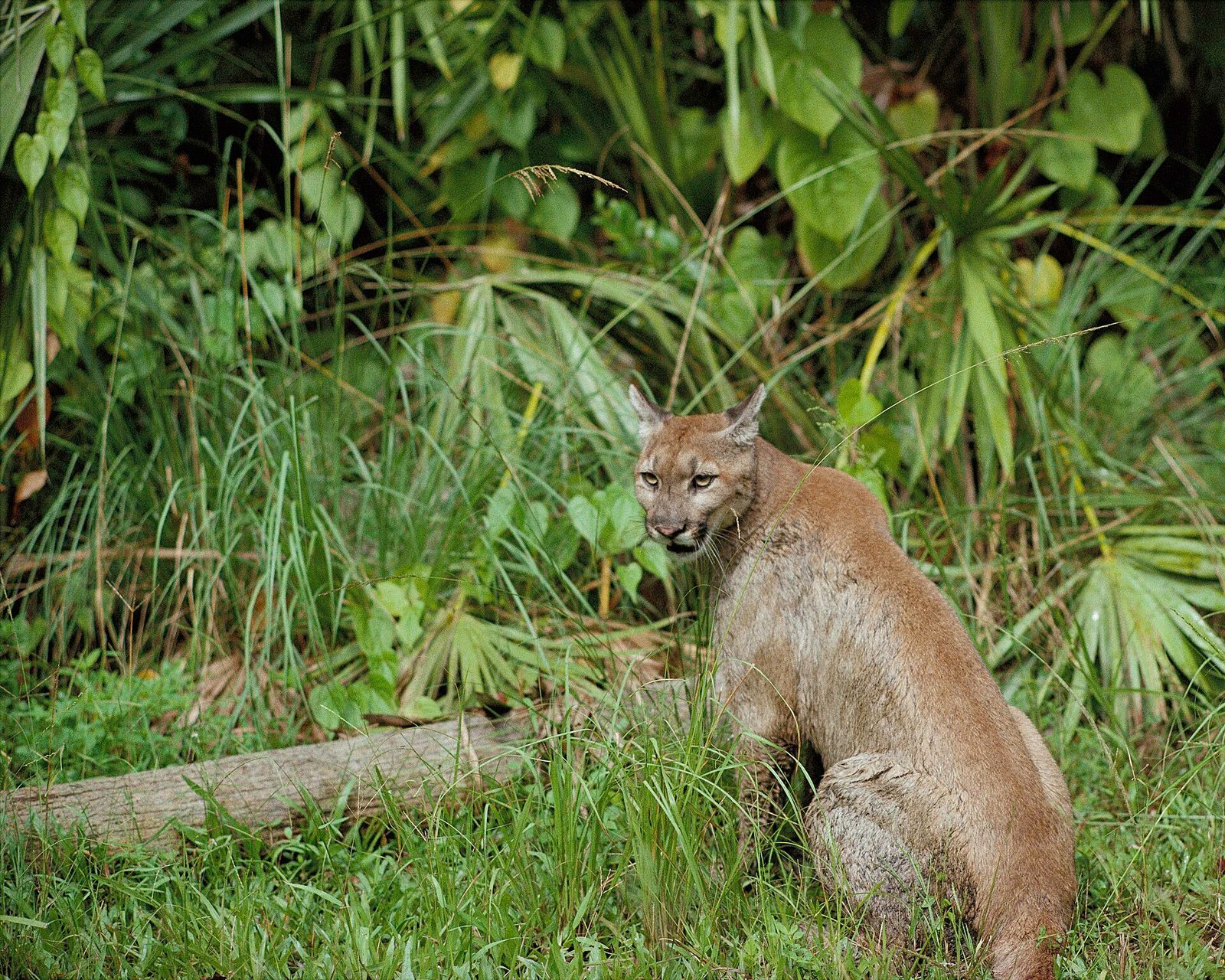
Image: George Gentry, U.S. Fish and Wildlife Service, Public domain (Wikimedia Commons)