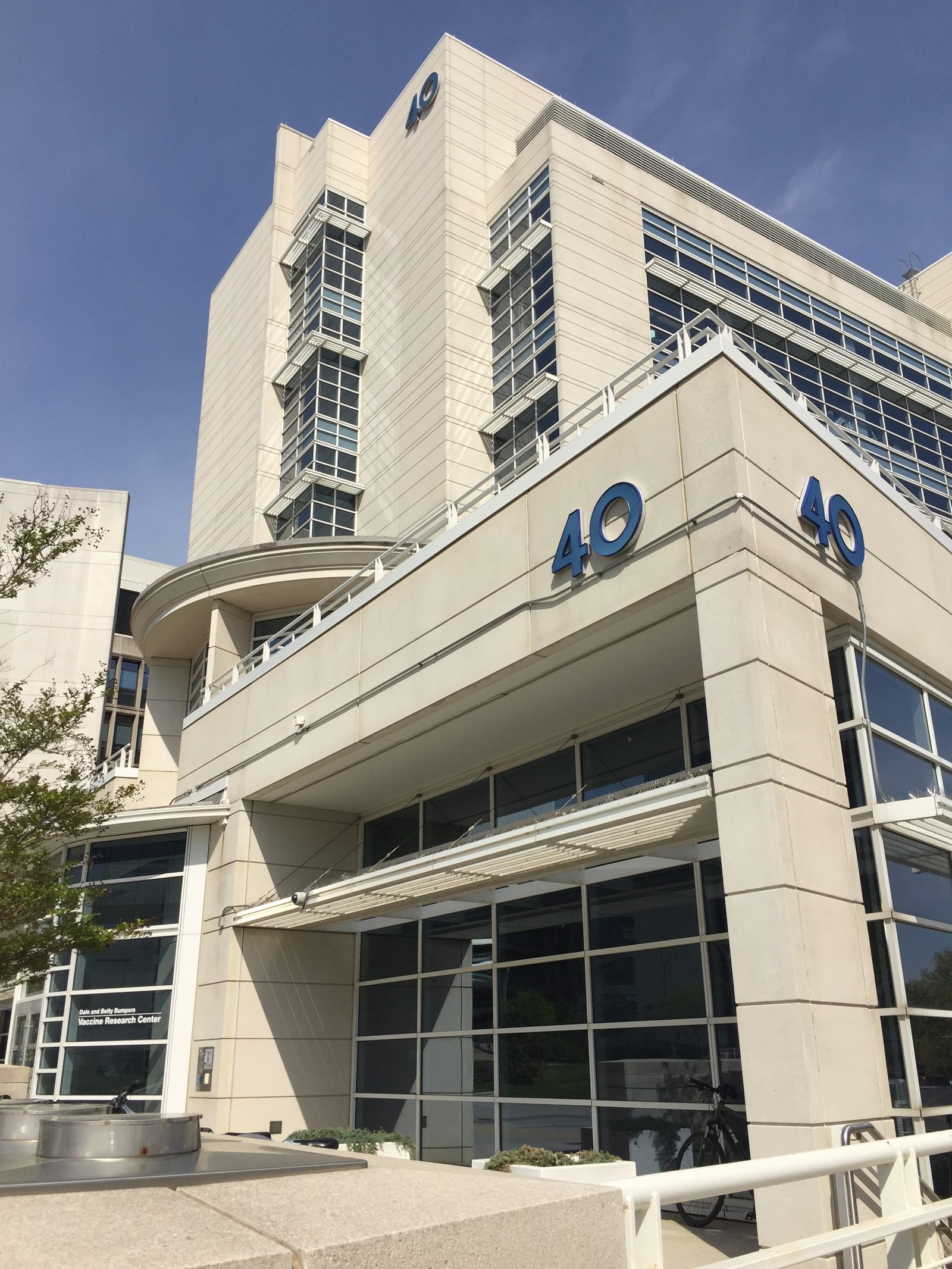
NIH terminates 2,291 active research grants
The mass grant cancellation disrupted 383 clinical trials with more than 74,000 enrolled participants.
Key facts
- 2,291 grants and $2.45B in committed funding cancelled
- 383 clinical trials disrupted Feb-Aug 2025
- 74,000 trial participants affected
Summary
Beginning in late February 2025, the NIH terminated approximately 2,291 active grants, withdrawing $2.45 billion in committed funding, primarily targeting research on LGBTQ+ health, health disparities, DEI, and global health. A federal judge ordered partial restoration in June 2025, but the Supreme Court permitted DEI-related terminations to resume in August 2025.
What happened
NIH cancelled grants en masse starting in late February 2025, citing policy priorities under executive orders banning DEI. Researchers discovered terminations with little or no notice. A Harvard-led study in JAMA Internal Medicine found 383 of 11,008 NIH-funded clinical trials lost grant funding between February 28 and August 15, 2025; more than 74,000 participants were enrolled in affected trials. Infectious-disease trials were hit hardest, with 14.4% losing funding. On June 16, 2025, a federal judge in Massachusetts vacated the terminations of grants cut over DEI and related priorities, entering written judgments on June 23. However, on August 21, 2025, the Supreme Court stayed the judgments vacating the terminations, allowing them to proceed while litigation continued.
Impact on the United States
2,291 grants representing $2.45 billion in committed research funding cancelled; 383 clinical trials disrupted; 74,000 patients had their trial participation interrupted; early-career researchers and women were disproportionately affected.
Documented effects
- 383 NIH-funded clinical trials (355 US-based) lost funding Feb-Aug 2025; participants could have lost access to medication or been left with an unmonitored device implant[1][2]
- Supreme Court on Aug 21, 2025 (5-4 on this point) stayed the lower-court judgments that had vacated the grant terminations, allowing them to proceed while litigation continued[4]
- PNAS study found early-career investigators and women were disproportionately affected by the terminations[3]
Why this is rated severe
Mass cancellation of active biomedical grants disrupted 383 clinical trials with more than 74,000 enrolled participants, a severe realized harm to US research and patients.
some restored by court, Supreme Court permitted DEI-related terminations Aug 2025
Corrections & updates [8]
Every change to a fact on this page after publication is logged here, newest first.
- CorrectedFigures
The JAMA Internal Medicine study (reported by AJMC and AP/STAT) found that 383 of 11,008 NIH-funded clinical trials lost funding (355 of them US-based), and that 14.4% of infectious-disease trials lost funding - not that 14.4% of terminated trials were infectious-disease trials. The "5.8% respiratory" and "5% cardiovascular" figures do not appear in the study (5.8% is the share of non-US trials that lost funding). The 74,311 figure counts participants enrolled in trials that were active but not recruiting at termination, who "may have still been receiving interventions."[1][2]
- CorrectedKey facts
The PNAS study found that early-career investigators and women were disproportionately affected by the terminations; it does not report findings on minority scientists and describes the pattern as disproportionate effects, not targeting.[3]
- ClarifiedSource
AJMC is a specialist trade publication (it reports on a JAMA Internal Medicine research letter); its tier label is corrected from 2 to 3. The STAT item is an Associated Press story.[1][2][3]
- CorrectedSource
The Supreme Court's August 21, 2025 order (NIH v. American Public Health Association, No. 25A103) is now cited directly; it stayed the district court judgments vacating the grant terminations, holding the challenges likely belong in the Court of Federal Claims. The "$783 million" figure does not appear in the order or in the STAT article previously cited, so the effect now describes the order without it.[4]
- CorrectedCourt ruling
The entry said a judge ordered the grants restored on June 16, 2025 and called the terminations the 'largest peacetime cancellation' of biomedical grants. Per the government's Supreme Court stay application, the district court orally vacated the terminations on June 16, 2025; the written judgments that the Supreme Court stayed on August 21, 2025 are dated June 23. No source supports the 'largest peacetime' description, which is removed. Figures are unchanged: 383 trials with more than 74,000 participants (JAMA Internal Medicine study, via AJMC and STAT) and 2,291 grants, $2.45 billion (PNAS).[5][4][1][2][3]
- CorrectedDisplay copy
The summary said grants were cancelled 'without prior notice'; the record says researchers discovered terminations 'with little or no notice'. The summary now matches the record.
+ Show previous and current text- Hide previous and current text
- Previously
- NIH cancelled thousands of active grants without prior notice, targeting LGBTQ+ health, health disparities, and DEI research. Courts ordered partial restoration, but the Supreme Court allowed the terminations to proceed while litigation continued.
- Now
- NIH cancelled thousands of active grants, often with little or no notice, targeting LGBTQ+ health, health disparities, and DEI research. Courts ordered partial restoration, but the Supreme Court allowed the terminations to proceed while litigation continued.
- ClarifiedSource labels
Source tier labels brought in line with the site's tier rule (specialist and trade publications are Tier 3; general news organizations are Tier 2): STAT News (Associated Press) (Tier 2 to 3). No claim in the entry changed.
- CorrectedCost estimate
The booked $600M was a $424M calculation rounded up by an unsourced amount; its $1.8B gross did not match its own parts; and key inputs could not be verified. The published figures are unspent funds that NIH can re-award, so they are not confirmed savings or losses. The $6.3B broader figure attributed to PNAS is not in the paper's abstract. Nothing is booked until a sourced figure exists. That is a floor, not a finding of no harm.
- Previously
- net $600M so far (gross $1.8B, saved $1.2B); 10yr $700M; 15yr $700M; broader $6.3B
- Now
- net $0; 10yr $0; 15yr $0; broader $0
Sources [5]
- T3AJMC - NIH Grant Terminations Disrupt 1 in 30 Clinical Trials, Impacting Over 74,000 Participants · Nov 17, 2025 ↗
- T3STAT News (Associated Press) - NIH funding cuts have affected 74,000 people enrolled in studies · Nov 17, 2025 ↗
- T3PNAS - How the 2025 NIH grant terminations varied by researchers' demographic groups · Mar 23, 2026 ↗
- T1Supreme Court of the United States - National Institutes of Health v. American Public Health Association, No. 25A103 (order on application for stay) · Aug 21, 2025 ↗
- T1Supreme Court of the United States (Solicitor General filing) - National Institutes of Health v. American Public Health Association, No. 25A103, Application for a Stay · Jul 24, 2025 ↗
Image: NIAID / National Institute of Allergy and Infectious Diseases, CC BY 2.0 (Wikimedia Commons)