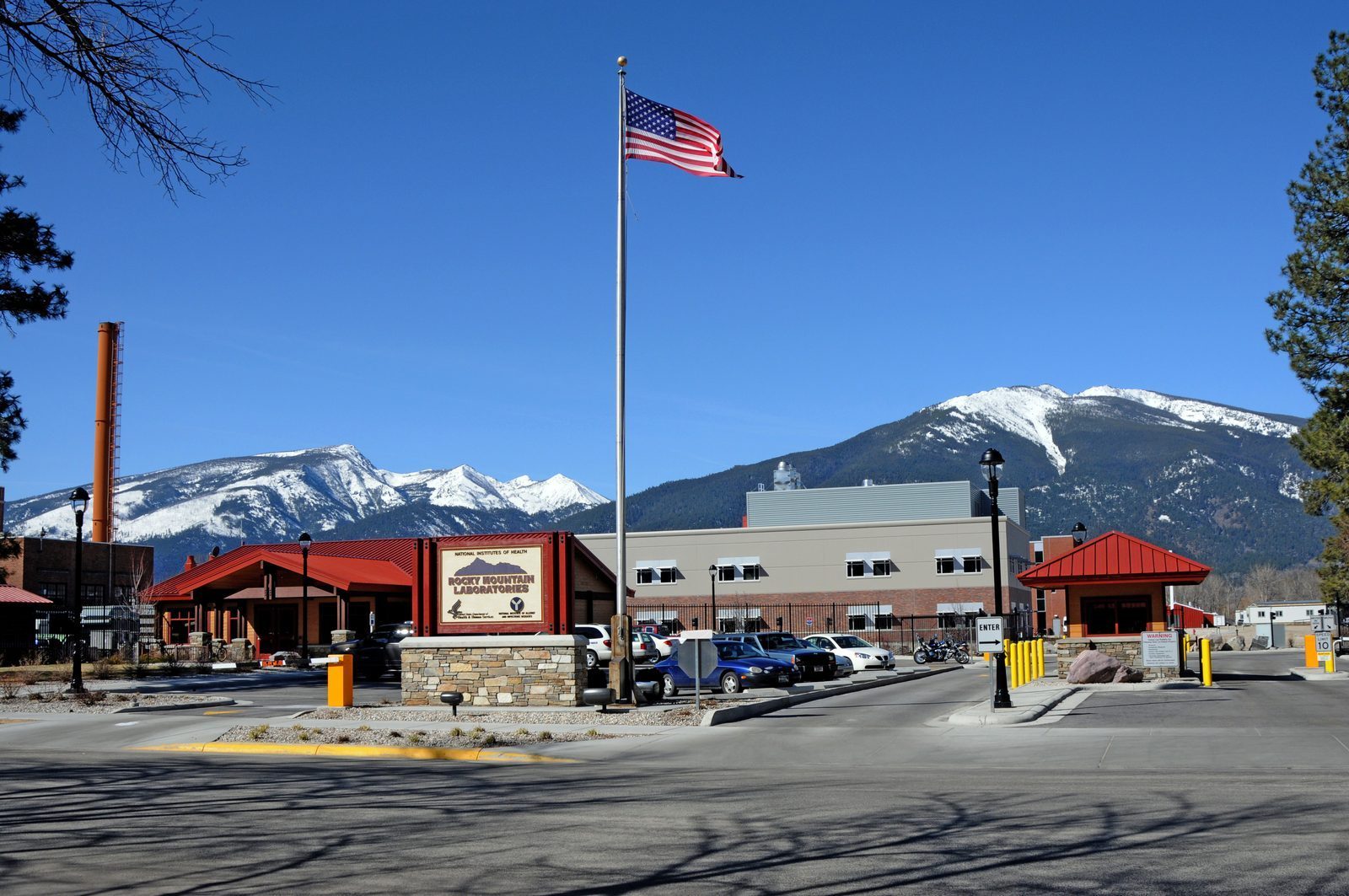
Signs of a US scientific brain drain
75% of US scientists answering a Nature poll said they were considering leaving; the EU allocated €500M to recruit them.
Key facts
- Nature survey: 75.3% of US scientists considering leaving
- ERC early-career applications from US-based scientists nearly tripled 2024-2026
- EU allocated €500M to attract US researchers
Summary
Following NIH grant terminations, HHS layoffs, and broader research funding cuts, surveys find 40-75% of US-based researchers say they are considering leaving the country - a measure of intent, not confirmed departures. Early signs the trend is materializing: European Research Council applications from US-based scientists nearly tripled by 2026, and the EU, France, Canada, and other nations launched dedicated programs to recruit American researchers.
What happened
A Nature survey conducted in March 2025 found 75.3% of 1,600 respondents (mostly scientists) were considering relocating abroad. An Elsevier poll put the figure at 40% of US researchers. These survey intentions are backed by concrete data: European Research Council early-career grant applications from US-based researchers rose from 60 (2024) to 116 (2025) to 169 (2026); senior-researcher ERC applications from US scientists jumped from 23 (2024) to 114 (2025). The EU allocated €500 million explicitly to recruit American researchers via the "Choose Europe for Science" program. France, Canada (Canada Leads), Norway, Denmark, Austria (offering 25 four-year fellowships), Germany (Max Planck), and the UK launched parallel recruitment initiatives. Scientists who departed include researchers moving to Montpellier, Vienna, Toronto, and Germany. The ITIF warned that the brain drain threatens US biopharmaceutical leadership.
Impact on the United States
Loss of early-career biomedical researchers undermines the long-term pipeline of US scientific talent; funded research programs go unfilled; US universities unable to replace departing investigators; intellectual property and future discoveries move abroad.
Documented effects
- ERC applications from US-based early-career scientists: 60 (2024) → 116 (2025) → 169 (2026), nearly tripling[1][4]
- Nature survey (March 2025): 75.3% of US scientists considering leaving; 80% of early-career researchers considering departure[2][1][3]
- EU allocated €500M to attract US researchers; France, Canada, Germany, and others launched dedicated programs[1]
Why this is rated significant
Surveys show large shares of US researchers considering leaving, and ERC applications from US-based scientists nearly tripled; a significant but gradual and partly prospective harm to US research capacity.
Corrections & updates [5]
Every change to a fact on this page after publication is logged here, newest first.
- CorrectedSource
The survey figures were cited to a Nature editorial (opinion). They are now cited to Nature's news report of the poll (March 27, 2025: more than 1,200 respondents, three-quarters of the total, considering leaving) and to STAT and ITIF, which report the 75% and nearly-80%-of-early-career figures. Nature news and ITIF (a think tank) are specialist sources, relabelled Tier 3.[1][2][3]
- CorrectedSummary card
The summary card said European Research Council applications from US-based scientists nearly tripled. The figures that nearly tripled (60 in 2024 to 169 in 2026) are early-career applications; the 75% figure is from respondents to a Nature poll. The card now says so.[1][2]
- CorrectedSource
Added an official source for the application figures: the European Research Council reported on September 3, 2026 that 169 US-based researchers applied for its 2026 Starting Grants, compared with 116 in the previous call, and that 20 US-based researchers were selected.[4]
- CorrectedSeverity rationale
The severity rationale described an 'accelerating scientist exodus' inflicting 'long-term structural damage'; the record notes the surveys measure intent, not confirmed departures, and the rationale now matches. Severity unchanged.
+ Show previous and current text- Hide previous and current text
- Previously
- Accelerating scientist exodus inflicts long-term structural damage to US research leadership, significant but gradual and partly prospective.
- Now
- Surveys show large shares of US researchers considering leaving, and ERC applications from US-based scientists nearly tripled; a significant but gradual and partly prospective harm to US research capacity.
- ClarifiedSource labels
Source tier labels brought in line with the site's tier rule (specialist and trade publications are Tier 3; general news organizations are Tier 2): STAT News (Tier 2 to 3). No claim in the entry changed.
Sources [4]
- T3STAT News - Brain drain: Many scientists see better research options overseas · Dec 17, 2025 ↗
- T3Nature - 75% of US scientists who answered Nature poll consider leaving · Mar 27, 2025 ↗
- T3ITIF - US Brain Drain Threatens Scientific and Biopharmaceutical Leadership · Dec 18, 2025 ↗
- T1European Research Council - ERC Starting Grants: EUR 705 million to back Europe's next generation of researchers · Sep 3, 2026 ↗
Image: National Institutes of Health (NIH), Public Domain Mark 1.0 (Wikimedia Commons)