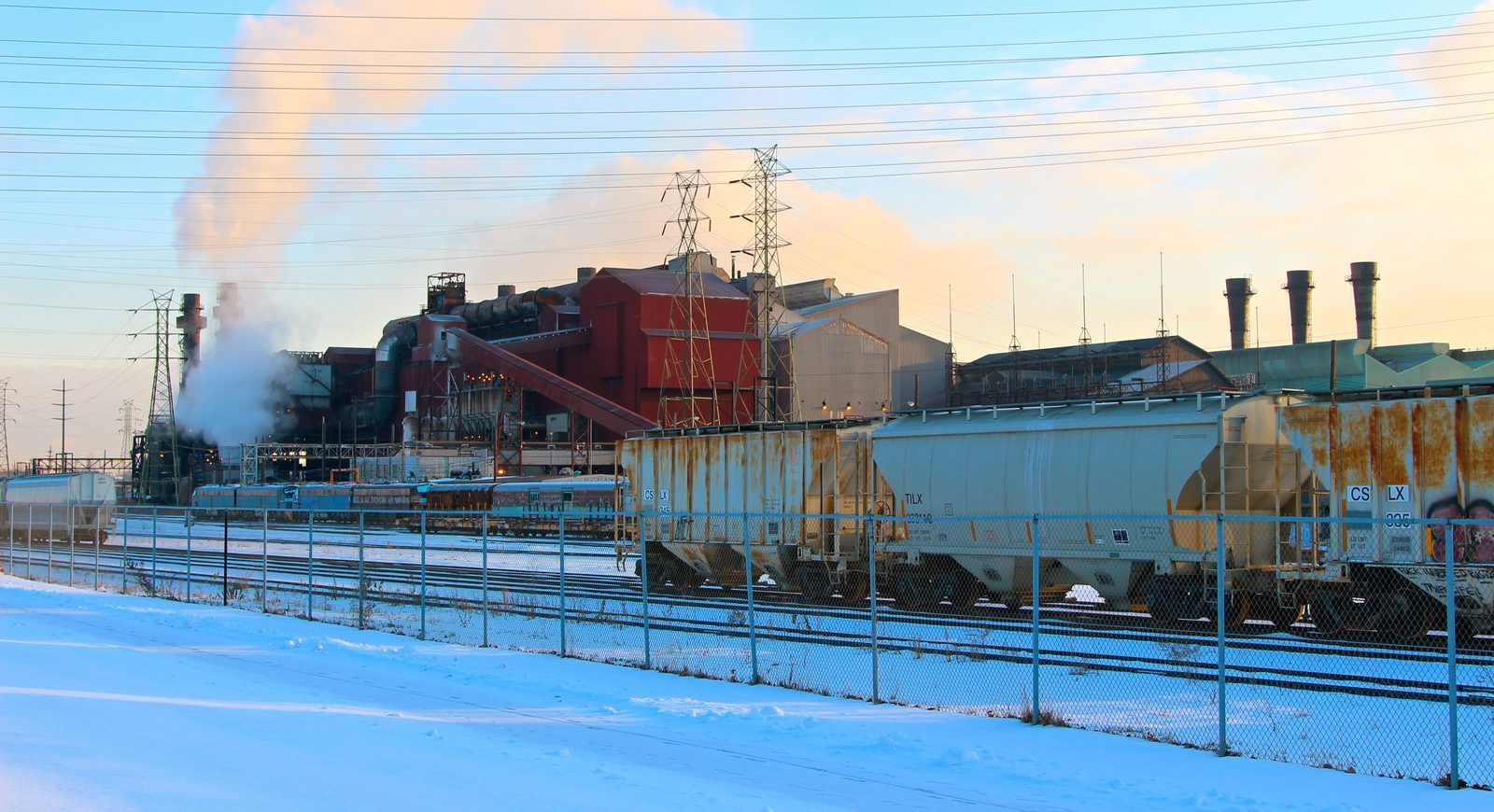
Steel and aluminum tariffs reinstated globally
25% tariffs on all countries raised US input costs and triggered allied retaliation.
Key facts
- John Deere: ~$300M in tariff costs; 200+ workers laid off
- Rates raised to 50% for most countries by June 2025
- Canada imposed 25% counter-tariffs on C$29.8B of US goods
Summary
President Trump signed two proclamations on February 11, 2025, reinstating 25% tariffs on all steel imports and raising aluminum tariffs from 10% to 25% under Section 232 of the Trade Expansion Act of 1962. All prior exemptions granted to allies including the EU, Canada, Mexico, Australia, Japan, and South Korea were eliminated.
What happened
The proclamations ended every country-specific exclusion negotiated during Trump's first term, meaning close trading partners now face the same 25% rate as other nations. The changes took effect March 12, 2025. The tariff on steel was maintained at 25% while aluminum doubled. A June 3, 2025 proclamation raised the rates to 50% for most countries (the United Kingdom stayed at 25%), effective June 4, 2025.
Impact on the United States
Higher steel and aluminum prices directly raise costs for U.S. manufacturers of autos, appliances, machinery, and construction materials, contributing to downstream consumer price increases. American manufacturers importing these metals face higher input costs that cannot be immediately passed to consumers, squeezing margins.
Global ripple effects
Canada responded with 25% counter-tariffs, effective March 13, 2025, on C$29.8 billion of U.S. products, including C$12.6 billion in steel products and C$3 billion in aluminum products, reducing demand for U.S.-made goods in Canada.
Documented effects
- John Deere announced ~$300 million in tariff-related costs on steel and aluminum inputs and laid off more than 200 workers at Illinois and Iowa plants in August 2025.[2]
- Cox Automotive estimated the steel and aluminum tariffs would add $300 to $500 to the price of a vehicle, on top of the effect of the auto tariffs.[4]
Projected cost to Americans
Cumulative cost if current policy holds: direct federal cost plus the broader economic burden. A conservative, lower-bound estimate (medium confidence).
- So far
- $33.00B
- By 2035
- $213.00B
- By 2040
- $213.00B
How this is calculated: DURABLE Section 232 tariff that survived the IEEPA strike-down. Tariff revenue is not a federal saving and not a federal cost (it is a tax paid by US importers and consumers), so Layer 1 is 0 for 10yr and 15yr; the burden is carried in Layer 2. (The earlier text described a Layer-1 "net gain shown negative", which contradicted the 0 values and has been removed.) Layer 2 (~$213B) uses the same method as the other durable tariff blocks (section-301-forced-labor-tariffs, section-338-canada-tariffs, brazil-section-301-tariffs): Tax Foundation's DYNAMIC 10-year net revenue for Section 232 metals, $213.4B for 2026-2035 [S1, Table 5], rounded down, as a conservative floor. Gross direct customs duties before income- and payroll-tax offsets are higher, $459.2B over 10 years [S1]. Tax Foundation's long-run GDP effect for the metals tariffs (-0.1%, -84,000 FTE jobs) is not added, to avoid double counting. The autos tranche is booked separately under auto-tariffs-25-percent.
Why this is rated significant
25% metals tariffs with no exemptions raised input costs across autos, construction, and appliances, a significant broad-based cost increase.
Corrections & updates [6]
Every change to a fact on this page after publication is logged here, newest first.
- CorrectedSource
The John Deere effect was cited to the White House Section 232 fact sheet, which does not mention Deere; the CBS News article (s2) reports the ~$300 million tariff cost and the 200+ layoffs in Illinois and Iowa.[2]
- CorrectedDate
The entry said the rates were raised to 50% "in May 2025". The proclamation raising steel and aluminum tariffs to 50% was signed June 3, 2025 and took effect June 4, 2025; U.K. steel and aluminum stayed at 25%.[3]
+ Show previous and current text- Hide previous and current text
- Previously
- The proclamations ended every country-specific exclusion negotiated during Trump's first term, meaning close trading partners now face the same 25% rate as other nations. The changes took effect March 12, 2025. The tariff on steel was maintained at 25% while aluminum doubled. In May 2025, the rates were further raised to 50% for most countries, effective June 4, 2025.
- Now
- The proclamations ended every country-specific exclusion negotiated during Trump's first term, meaning close trading partners now face the same 25% rate as other nations. The changes took effect March 12, 2025. The tariff on steel was maintained at 25% while aluminum doubled. A June 3, 2025 proclamation raised the rates to 50% for most countries (the United Kingdom stayed at 25%), effective June 4, 2025.
- CorrectedEffects
An effect attributed a Moody's estimate ($30 billion hit to global automakers' profits) to a CBS News article that does not mention Moody's, and it concerned all tariffs, not the metals tariffs. It is replaced with a steel-specific figure CNBC reports: Cox Automotive estimated the steel and aluminum tariffs add $300 to $500 to vehicle prices.[4]
- CorrectedForeign linkback
The linkback said Canada, the EU and others retaliated on "agricultural goods, motorcycles, and consumer products"; no cited source supports that for the metals tariffs (Canada's tariffs on orange juice, motorcycles etc. were its response to the separate fentanyl tariffs). Canada's Department of Finance documents its response to the steel and aluminum tariffs: 25% counter-tariffs from March 13, 2025 on C$29.8 billion of U.S. products, including C$12.6 billion of steel and C$3 billion of aluminum products. The EU reference is removed as unsourced.[5]
- ClarifiedSource
The CBS News article's date was listed as Oct 1, 2025; the article was published Sept 9, 2025.[2]
- CorrectedCost estimate
The booked figure and 10-year consumer burden were unsourced estimates. Both now use Tax Foundation's 10-year dynamic revenue estimate for the Section 232 metals tariffs ($213.4B), the same method used for the other durable tariffs; the booked amount is that yearly average pro-rated over the 566 days in effect. The text no longer describes a federal 'net gain', which contradicted the zero federal figures.
- Previously
- $20B booked; $220B broader 10-yr
- Now
- $33B booked; $213B broader 10-yr
Sources [5]
- T1The White House - Fact Sheet: President Donald J. Trump Restores Section 232 Tariffs · Feb 11, 2025 ↗
- T2CBS News - The U.S. is losing thousands of manufacturing jobs, analysis finds · Sep 9, 2025 ↗
- T1The White House - Adjusting Imports of Aluminum and Steel into the United States (Proclamation) · Jun 3, 2025 ↗
- T2CNBC - Trump's ongoing 25% auto tariffs expected to cut sales by millions, cost $100 billion · Apr 12, 2025 ↗
- T1Department of Finance Canada - Canada's response to U.S. tariffs · Jun 19, 2026 ↗
Image: Roy Luck, CC BY 2.0 (Wikimedia Commons)