Grant freezes coerce university settlements
Brown and Cornell settled to unfreeze funds; UCLA refused and beat the freeze in court.
Key facts
- Brown committed $50M to workforce programs to unfreeze ~$510M
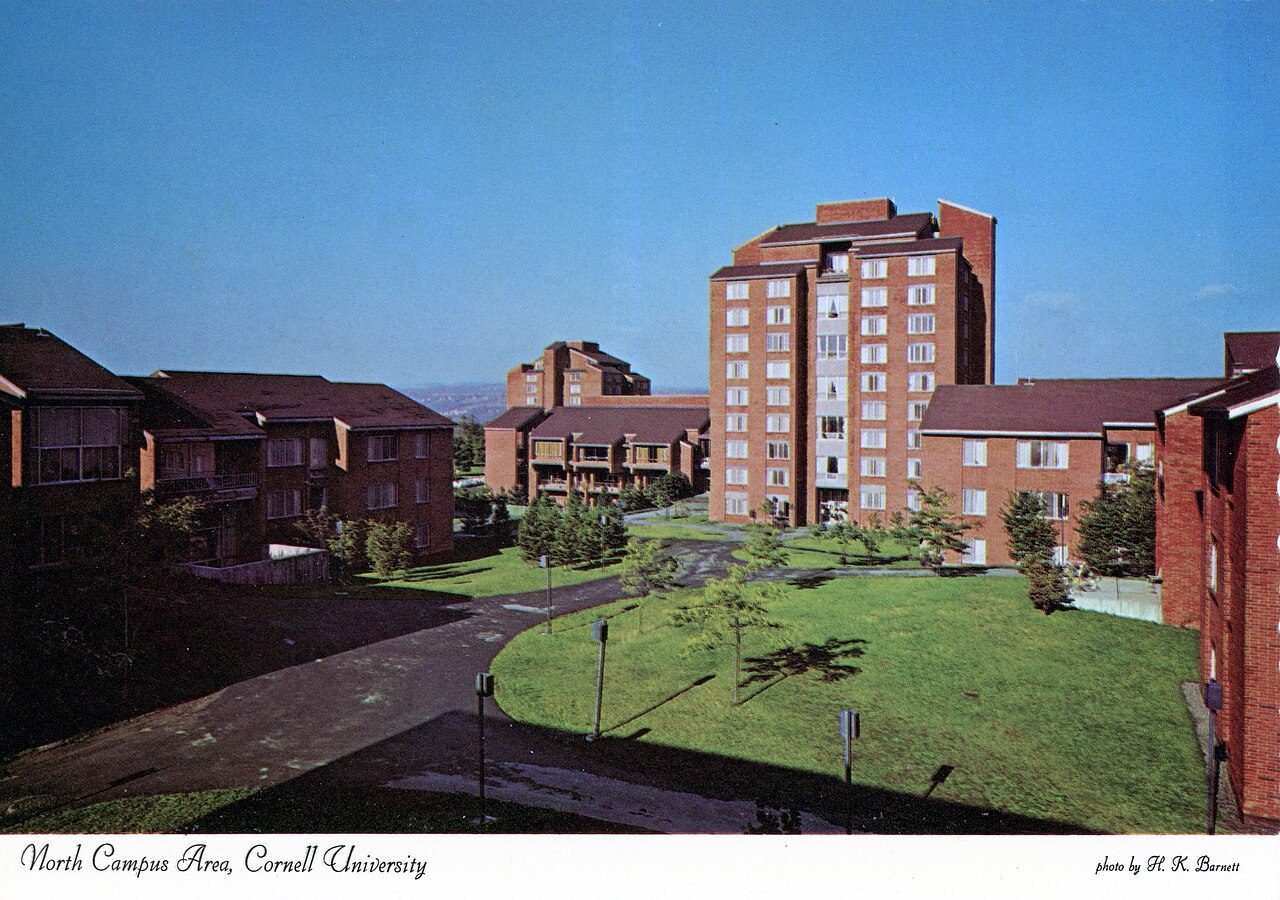
- Cornell paid $60M to unfreeze $250M
- UCLA faced a $1.2B demand but won an injunction; appeal dropped Feb 2026
Summary
Beyond Columbia and Harvard, the administration extracted a wave of settlements by freezing research grants: Brown committed $50 million to workforce-development programs (no payment to the federal government) to unfreeze ~$510M and Cornell paid $60M to unfreeze $250M. UCLA, by contrast, faced a $1.2B demand after $584M was suspended but did not capitulate - a federal judge restored the grants and enjoined the freeze as coercive, and the administration dropped its appeal in February 2026.
What happened
The administration froze research grants to pressure universities into settlements. Brown agreed on July 30, 2025 to commit $50 million over 10 years to Rhode Island workforce-development programs (no payment to the federal government) and adopt policy changes to unfreeze about $510M. Cornell announced on November 7, 2025 that it would pay $60M to unfreeze $250M ($30M penalty plus $30M for agricultural research). UCLA had $584M suspended and faced a $1.2 billion demand (a $1B fine plus a $172M Title VII claims fund) after a DOJ Title VI finding, but did not settle: federal Judge Rita Lin restored the bulk of the $584M in grants (Aug/Sept 2025) and issued a preliminary injunction on November 14, 2025 barring the funding freeze as "coercive and retaliatory," and the Trump administration dropped its appeal of that order around February 13, 2026. UCLA stands as a court-rebuffed counterexample, not a successful coercion.
Impact on the United States
Systematic financial coercion of private universities (Brown, Cornell) into surrendering academic and governance autonomy; the attempt to extend the pattern to a public university (UCLA) was blocked by the courts and abandoned on appeal.
Documented effects
- Brown committed $50 million to workforce-development programs (no payment to the federal government) and adopted policy changes to unfreeze about $510M in research funding.[1]
- Cornell paid $60M to unfreeze $250M; UCLA had $584M suspended and faced a $1.2B demand ($1B fine plus a $172M Title VII fund).[2][3][7]
- UCLA did not capitulate: Judge Rita Lin restored the grants and enjoined the freeze as "coercive and retaliatory" (Nov 14, 2025), and the administration dropped its appeal around Feb 13, 2026.[4][5][6]
Why this is rated severe
Research-grant freezes preceded settlements in which Brown and Cornell committed $50M and $60M and adopted policy changes to restore funding; a federal judge found the parallel freeze at UCLA coercive and retaliatory.
Brown and Cornell settled; UCLA did not capitulate - courts blocked the UC freeze and the administration dropped its appeal Feb 2026
Corrections & updates [5]
Every change to a fact on this page after publication is logged here, newest first.
- CorrectedDate
Cornell announced its deal on Nov. 7, 2025, not Nov. 10 (NPR). Brown's $50 million goes to Rhode Island workforce organizations over 10 years rather than being "paid" to unfreeze funds; the White House had said it would freeze $510 million.[1][7]
- CorrectedSource
Source details corrected to match the published articles; student and nonprofit regional outlets are labeled Tier 3.[3][4][5][6]
- ClarifiedSource tier
CalMatters is a nonprofit newsroom that this site's sourcing standard classes as Tier 2.[3]
- ClarifiedSeverity rationale
The severity rationale described 'financial coercion stripping academic and governance autonomy' as fact; it now states the settlements and attributes the coercion finding to the court (UCLA case). Severity unchanged.
- Previously
- Financial coercion stripping academic and governance autonomy across institutions.
- Now
- Research-grant freezes preceded settlements in which Brown and Cornell committed $50M and $60M and adopted policy changes to restore funding; a federal judge found the parallel freeze at UCLA coercive and retaliatory.
- ClarifiedDisplay copy
The summary said the administration 'forced' Brown and Cornell into settlements; it now describes the sequence, with the coercion finding attributed to the court in the UCLA case.
+ Show previous and current text- Hide previous and current text
- Previously
- By freezing research grants, the administration forced Brown and Cornell into multimillion-dollar settlements with policy changes. UCLA, facing a $1.2B demand after $584M was suspended, did not capitulate: a judge enjoined the freeze as coercive and the administration dropped its appeal in February 2026.
- Now
- After the administration froze their research grants, Brown and Cornell reached multimillion-dollar settlements with policy changes to restore funding. UCLA, facing a $1.2B demand after $584M was suspended, did not capitulate: a judge enjoined the freeze as coercive and the administration dropped its appeal in February 2026.
Sources [7]
- T2CNN Politics - Trump administration reaches $50 million deal with Brown University to restore funding · Jul 30, 2025 ↗
- T3JTA - Cornell inks $60M deal with Trump administration to resolve antisemitism claims · Nov 10, 2025 ↗
- T2CalMatters - UCLA research grants suspended over antisemitism ruling · Aug 1, 2025 ↗
- T3Daily Bruin - Trump administration drops appeal of order blocking $1.2 billion UCLA settlement · Feb 13, 2026 ↗
- T2CalMatters - Trump can't withhold funds or demand UC payment, judge rules · Nov 14, 2025 ↗
- T3Higher Ed Dive - Trump administration drops appeal over its $1.2B demand from UC system · Feb 20, 2026 ↗
- T2NPR - Trump has sued universities for billions. Here's what the strategy tells us · Jan 29, 2026 ↗
Image: H. K. Barnett, Public domain (Wikimedia Commons)