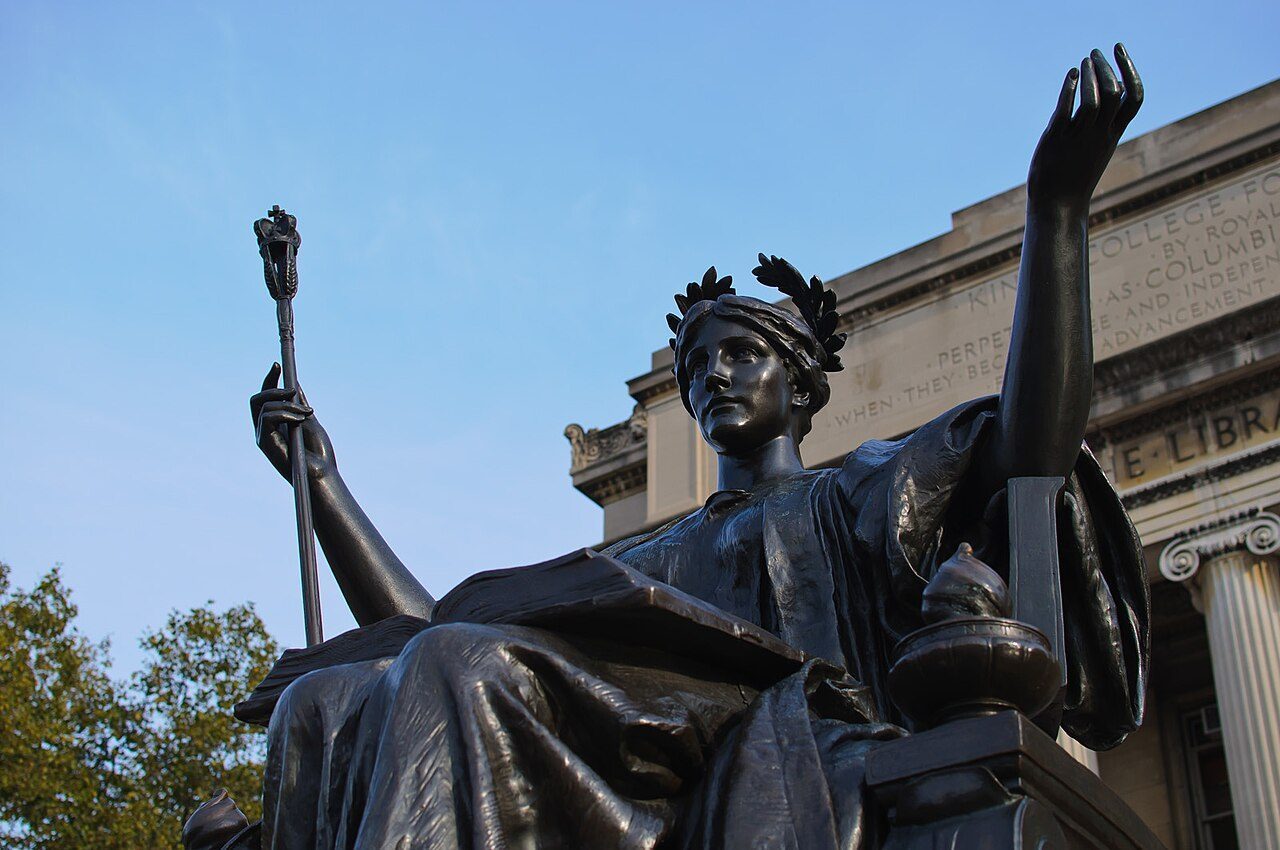
Columbia pays $221M after $400M cut
To restore $400M in federal funding, Columbia agreed to pay $221M, overhaul protest rules and adopt the IHRA antisemitism definition.
Key facts
- $400M in grants cancelled March 7, 2025
- Settlement July 23, 2025: Columbia paid $221M
- Columbia adopted IHRA antisemitism definition under settlement
Summary
The Trump administration cut $400 million in federal funding to Columbia University on March 7, 2025, citing alleged failure to address antisemitism. Columbia settled in July 2025, paying $221 million and agreeing to major policy changes demanded by the administration.
What happened
On March 7, 2025, the administration cancelled approximately $400 million in federal grants and contracts to Columbia, making it the first major university targeted in the administration's broader campaign against DEI and campus speech. Columbia negotiated a settlement finalized July 23, 2025, in which it agreed to pay $200 million over three years, pay an additional $21 million to resolve civil rights allegations, adopt the IHRA definition of antisemitism, overhaul student protest rules, and accept a review of its Middle Eastern studies department. Critics characterized the settlement terms as coerced capitulation under threat of financial ruin.
Impact on the United States
Establishes a template for using federal research funding as leverage to force universities to adopt government-preferred speech, protest, and curriculum policies; chills campus academic freedom and student speech.
Documented effects
- $400 million in federal grants and contracts cancelled March 7, 2025[3]
- Settlement formalized July 23, 2025: Columbia paid $221 million and accepted policy mandates including IHRA antisemitism definition and protest-rule overhaul[1][4]
- The American Association of University Professors called the settlement "an unprecedented disaster" for academic freedom[5]
Why this is rated significant
The administration cut about $400M in research funding and restored it after Columbia paid $221M and adopted policy changes, setting a template for using federal funding as leverage over universities.
funding restored via $221M settlement July 2025, with policy concessions
Corrections & updates [4]
Every change to a fact on this page after publication is logged here, newest first.
- CorrectedSource
Wikipedia is not accepted as evidence under our sourcing rules; it was replaced with NPR reporting on the March 7, 2025 cancellation and the July 2025 settlement, and the critics' statement is now attributed to the AAUP, which called the settlement "an unprecedented disaster." The PBS source date was corrected (published July 24, 2025).[1][3][4][5]
- ClarifiedSeverity rationale
Replaced 'coerce' with the documented sequence of events. Severity unchanged.
+ Show previous and current text- Hide previous and current text
- Previously
- Used research funding to coerce university policy, establishing a coercive precedent, though funding was restored via settlement.
- Now
- The administration cut about $400M in research funding and restored it after Columbia paid $221M and adopted policy changes, setting a template for using federal funding as leverage over universities.
- ClarifiedDisplay copy
The display text now states the settlement terms as the record gives them.
- CorrectedCost estimate
The $50M broader-cost figure for the research disruption at Columbia had no source and was removed. The direct federal figures stay at $0: the cancelled funding was restored, and Columbia's $221M payment is not counted as a federal saving.
- Previously
- $0 net; $50M broader
- Now
- $0 net; $0 broader
Sources [4]
- T2PBS NewsHour - Columbia University makes deal with Trump administration, agrees to pay more than $220 million to restore federal funding · Jul 24, 2025 ↗
- T2NPR - Trump administration cancels $400 million in federal dollars for Columbia University · Mar 7, 2025 ↗
- T2NPR - Columbia agrees to pay over $200 million in federal settlement · Jul 24, 2025 ↗
- T3American Association of University Professors - Columbia University Settlement an Unprecedented Disaster · Jul 23, 2025 ↗
Image: InSapphoWeTrust, CC BY-SA 2.0 (Wikimedia Commons)