The president's family crypto firm gets a bank charter nod
A federal regulator conditionally approved a trust bank for World Liberty, 38% owned by an entity affiliated with Trump and his family, to issue its USD1 stablecoin.
Key facts
- OCC conditional approval Aug. 14, 2026
- 38% owned by a Trump-family-affiliated entity
- CEO: over $4B of USD1 in circulation
Summary
On August 14, 2026, the Office of the Comptroller of the Currency gave preliminary conditional approval for a national trust bank charter to World Liberty Trust Co. The company is sponsored by World Liberty Financial, which says an entity affiliated with Donald J. Trump and family members owns 38% of it. The charter would let the firm issue and manage its USD1 stablecoin itself instead of through a third party.
What happened
World Liberty Trust Co., sponsored by World Liberty Financial, applied for a national trust bank charter so it could issue and manage its USD1 dollar-pegged stablecoin in-house; World Liberty has relied on a third party, BitGo, for some stablecoin services. The OCC granted conditional approval on Friday, August 14. Final approval depends on conditions including raising capital. The OCC said the Comptroller and staff 'acted consistently with their statutory duties and ethical obligations.' A World Liberty spokesperson said the firm was 'running towards regulation and continuous oversight, not away from it.' The White House has maintained that the president 'only acts in the best interests of the American public' and that there is no conflict because his assets are in a trust managed by his children. Sen. Elizabeth Warren, who had urged the OCC not to approve the application unless the president divested, said Trump was 'the first President in history to approve, operate, and supervise his own bank' and said she and colleagues would introduce legislation to bar presidents and senior officials from owning or controlling banks.
Impact on the United States
A federal banking regulator in the president's own administration conditionally chartered, and would supervise, a stablecoin issuer partly owned by the president's family. ABC News reports that clients exchanging dollars for the stablecoin generate profits that go to the family's crypto business. Financial disclosures show the president made at least $1.4 billion from crypto ventures in 2025. The firm's CEO said more than $4 billion of USD1 was in circulation as of August 25, 2026.
Documented effects
- OCC granted World Liberty Trust Co. preliminary conditional approval for a national trust bank charter to issue its USD1 stablecoin directly[1][2][3]
- World Liberty Financial says an entity affiliated with Donald J. Trump and family members owns 38% of the company[1][2]
- Financial disclosures show the president made at least $1.4 billion on crypto ventures in 2025[3]
- World Liberty CEO Zach Witkoff said more than $4 billion of USD1 is in circulation, with over $1 billion traded daily, and rejected concerns that USD1 could be used to funnel money to the Trump family[4]
Why this is rated significant
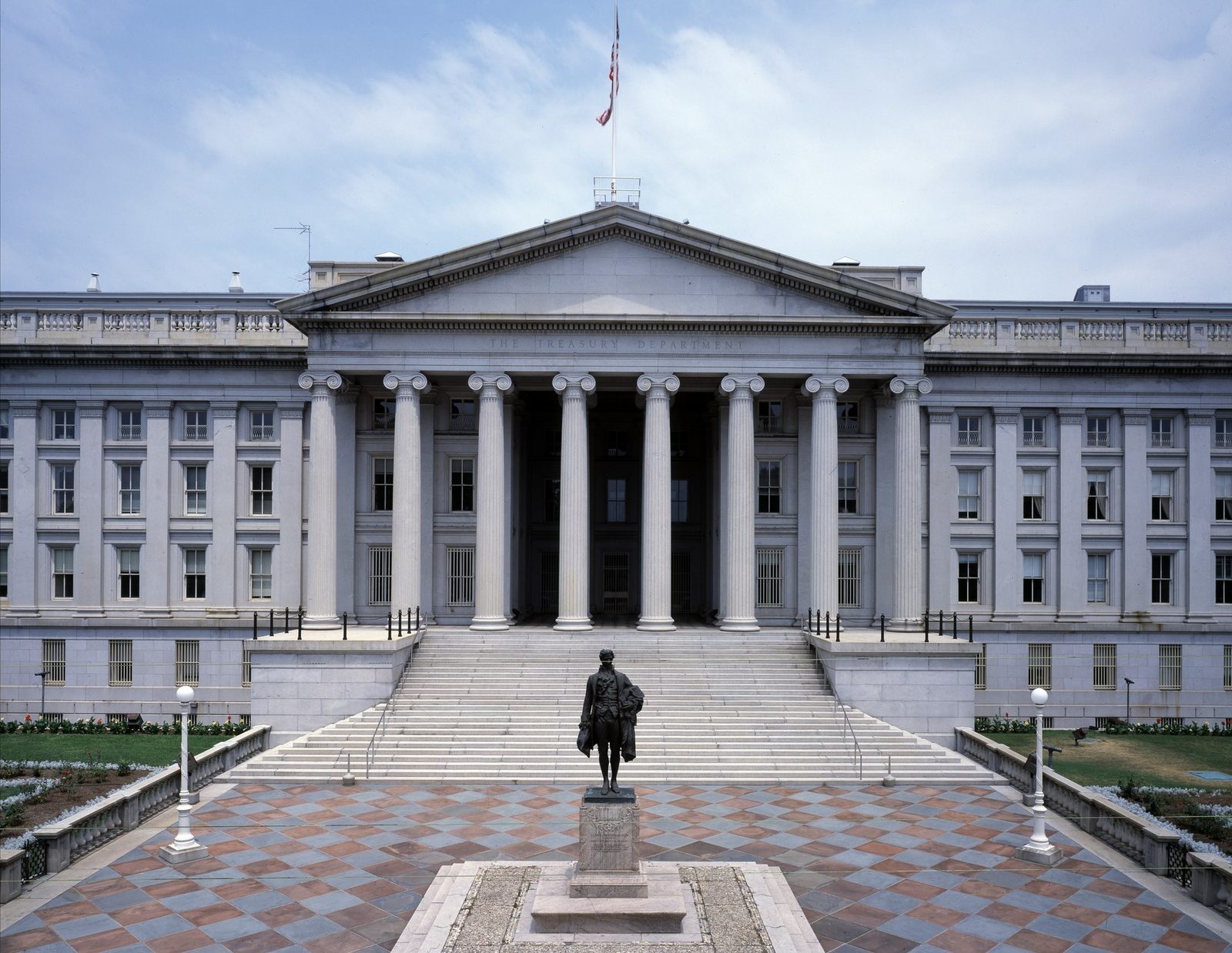
The OCC, part of the president's Treasury Department, conditionally approved a bank charter for a firm partly owned by the sitting president's family and would then supervise it. ABC News reported it is the first time a company owned by a sitting president's family has been granted bank status; a finance professor quoted by CBS News called the arrangement 'pretty unprecedented.'
preliminary conditional approval; final approval pending capital and other conditions
Corrections & updates [1]
Every change to a fact on this page after publication is logged here, newest first.
- ClarifiedKey facts
The "over $4B of USD1 in circulation" figure comes from World Liberty's CEO, as the entry says. The display text now attributes it to him.[4]
- Previously
- Over $4B of USD1 in circulation
- Now
- CEO: over $4B of USD1 in circulation
Sources [4]
- T2CNBC - Trump family-backed crypto firm World Liberty gets conditional bank charter approval · Aug 14, 2026 ↗
- T2ABC News - Trump-linked crypto venture World Liberty Trust granted bank status in unprecedented move for president · Aug 15, 2026 ↗
- T2CBS News - Trump family crypto business World Liberty gets preliminary approval to establish a bank · Aug 17, 2026 ↗
- T2CNBC - World Liberty Financial CEO Zach Witkoff says success of stablecoin silences charge of Trump cronyism · Aug 25, 2026 ↗
Image: Carol M. Highsmith, Public domain (Wikimedia Commons)