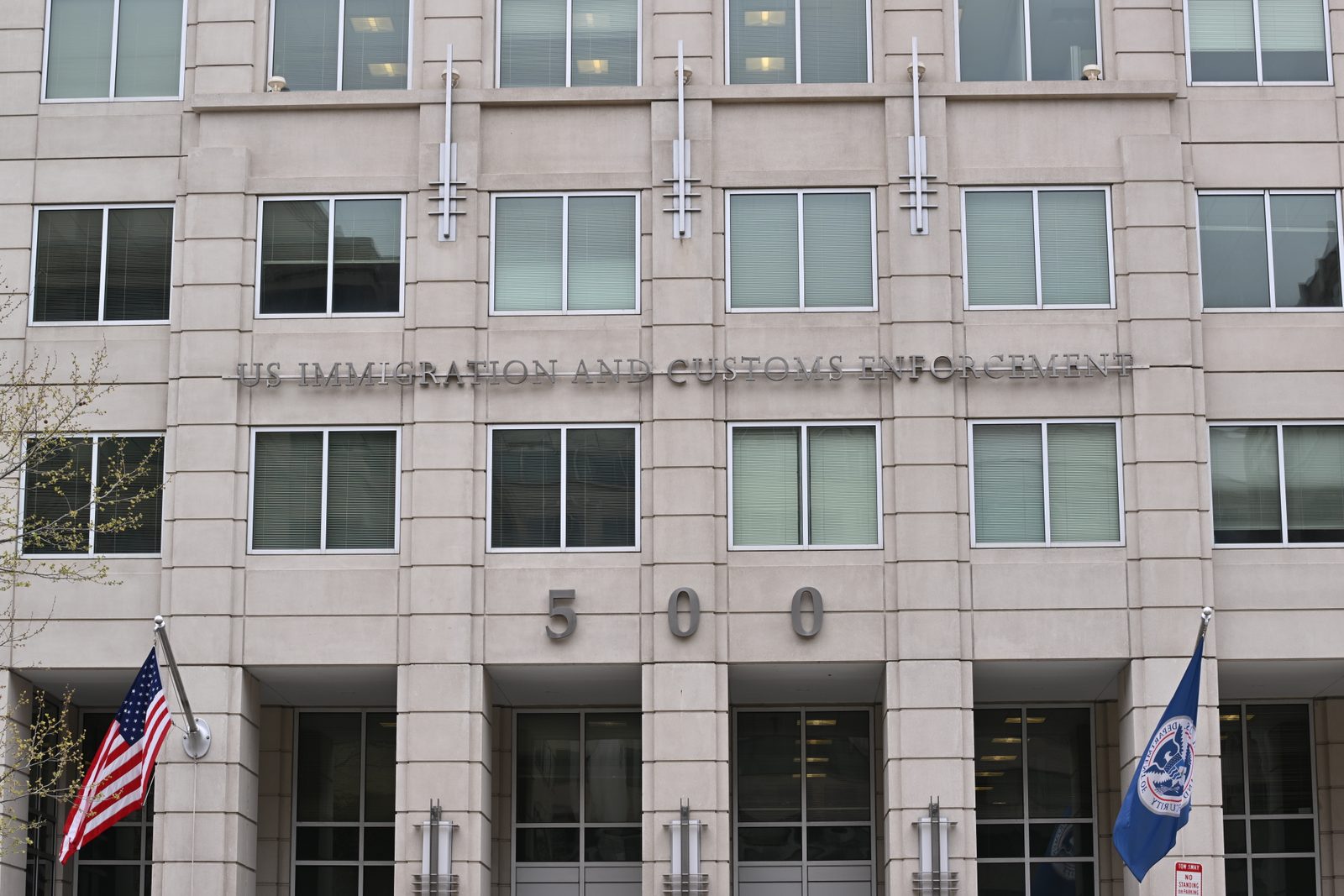
Abrego Garcia wrongfully deported to CECOT
A man with legal protection was deported; the Supreme Court unanimously ordered return.
Key facts
- Deported March 15, 2025 despite valid withholding-of-removal order
- Supreme Court ordered return unanimously April 10, 2025
- Returned June 6, 2025; charges later dismissed as vindictive prosecution
Summary
On March 15, 2025, ICE deported Kilmar Armando Abrego Garcia - a Salvadoran immigrant living legally in Maryland under a 2019 withholding-of-removal order - to El Salvador's CECOT prison. The government acknowledged the removal was an "administrative error." The Supreme Court unanimously ordered his return; he arrived back in the US on June 6, 2025.
What happened
ICE detained Abrego Garcia on March 12, 2025, citing unverified 2019 MS-13 allegations. He was deported three days later despite a binding immigration court order prohibiting his removal to El Salvador. District Judge Paula Xinis ordered his return by April 7, 2025. On April 10, 2025, the Supreme Court unanimously held that Judge Xinis "properly requires the Government to 'facilitate' Abrego Garcia's release from custody in El Salvador." After extended delays and defiance, the administration brought him back on June 6, 2025, to face human-smuggling charges. Those charges were dismissed on May 22, 2026, after a federal judge found a presumption of vindictiveness in the prosecution.
Impact on the United States
Demonstrates that the administration deported a man it knew had legal court-ordered protection and then defied lower-court orders to return him, requiring Supreme Court intervention. The case is emblematic of a broader pattern: NPR reported in February 2026 that his mistaken deportation, once thought to be unique, was the first in a trend, and that "the problem is getting worse."
Global ripple effects
Abrego Garcia was held in CECOT - a facility under Salvadoran government control - meaning a US court order could not be directly enforced on foreign soil, illustrating how third-country deportation arrangements can be used to evade judicial oversight.
Documented effects
- An ICE official acknowledged in a sworn declaration in district court (early April 2025) that the deportation was an "administrative error"; the government repeated this to the Supreme Court in No. 24A949.[1][2]
- Supreme Court issued unanimous order on April 10, 2025, directing the US government to facilitate his return; administration delayed compliance for nearly two months.[2]
- Federal criminal charges against him dismissed May 22, 2026, on vindictive-prosecution grounds.[2]
- DOJ appealed the vindictive-prosecution dismissal to the Sixth Circuit (notice filed June 22, 2026) and in an August 2026 brief argued it had 'multiple legitimate bases to prosecute'; separately, in his Maryland removal proceedings the government has sought to deport him to Liberia.[3][4]
Why this is rated significant
The government deported a Maryland resident protected by a 2019 withholding-of-removal order and acknowledged an 'administrative error'; the Supreme Court unanimously required it to facilitate his return, which took nearly two months.
Corrections & updates [7]
Every change to a fact on this page after publication is logged here, newest first.
- UpdatedKey facts
Updated: the Justice Department appealed the May 22, 2026 dismissal of the smuggling case to the Sixth Circuit (notice filed June 22; brief filed in August 2026), and the government is seeking his removal to Liberia in separate proceedings in Maryland.[3][4]
- CorrectedEffects
The "administrative error" admission came in an ICE official's sworn declaration in district court (ABC News dates it April 1, 2025), not in a court concession on April 7. The government then repeated it to the Supreme Court, whose April 10 order notes: "The United States represents that the removal to El Salvador was the result of an 'administrative error.'"[1][2]
- ClarifiedSummary
Removed "ostensibly". ABC News reports he was brought back to face criminal human-smuggling charges after the administration presented El Salvador with an arrest warrant.[2]
+ Show previous and current text- Hide previous and current text
- Previously
- ICE detained Abrego Garcia on March 12, 2025, citing unverified 2019 MS-13 allegations. He was deported three days later despite a binding immigration court order prohibiting his removal to El Salvador. District Judge Paula Xinis ordered his return by April 7, 2025. On April 10, 2025, the Supreme Court unanimously held that Judge Xinis "properly requires the Government to 'facilitate' Abrego Garcia's release from custody in El Salvador." After extended delays and defiance, the administration brought him back on June 6, 2025, ostensibly to face human-smuggling charges. Those charges were dismissed on May 22, 2026, after a federal judge found a presumption of vindictiveness in the prosecution.
- Now
- ICE detained Abrego Garcia on March 12, 2025, citing unverified 2019 MS-13 allegations. He was deported three days later despite a binding immigration court order prohibiting his removal to El Salvador. District Judge Paula Xinis ordered his return by April 7, 2025. On April 10, 2025, the Supreme Court unanimously held that Judge Xinis "properly requires the Government to 'facilitate' Abrego Garcia's release from custody in El Salvador." After extended delays and defiance, the administration brought him back on June 6, 2025, to face human-smuggling charges. Those charges were dismissed on May 22, 2026, after a federal judge found a presumption of vindictiveness in the prosecution.
- ClarifiedQuote
The words in quotation marks were not NPR's. NPR's February 3, 2026 story is headlined "His mistaken deportation was thought to be unique. But 'the problem is getting worse'" (page title: "Kilmar Abrego Garcia 1st in trend of mistaken deportations").[5]
+ Show previous and current text- Hide previous and current text
- Previously
- Demonstrates that the administration deported a man it knew had legal court-ordered protection and then defied lower-court orders to return him, requiring Supreme Court intervention. The case is emblematic of a broader pattern: NPR reported in February 2026 that Abrego Garcia was "the first in a trend of mistaken deportations."
- Now
- Demonstrates that the administration deported a man it knew had legal court-ordered protection and then defied lower-court orders to return him, requiring Supreme Court intervention. The case is emblematic of a broader pattern: NPR reported in February 2026 that his mistaken deportation, once thought to be unique, was the first in a trend, and that "the problem is getting worse."
- ClarifiedEffects
Removed the unsourced commentary "further validating the wrongfulness of his treatment". The dismissal itself is unchanged.[2]
- Previously
- Federal criminal charges against him dismissed May 22, 2026, on vindictive-prosecution grounds - further validating the wrongfulness of his treatment.
- Now
- Federal criminal charges against him dismissed May 22, 2026, on vindictive-prosecution grounds.
- ClarifiedSeverity rationale
Removed 'in defiance of orders' and 'breach'; the rationale now states the documented facts. Severity unchanged.
+ Show previous and current text- Hide previous and current text
- Previously
- Wrongful deportation of a court-protected resident in defiance of orders was a serious due-process breach, ultimately reversed by his return.
- Now
- The government deported a Maryland resident protected by a 2019 withholding-of-removal order and acknowledged an 'administrative error'; the Supreme Court unanimously required it to facilitate his return, which took nearly two months.
- CorrectedCost estimate
Set to $0. The earlier $8 million (and $14 million over 10-15 years) added up estimates of attorney, monitoring, diplomatic and prosecution costs that no source publishes. Nothing is booked until a published figure (such as a fee award or settlement) exists.
- Previously
- net $8M so far; 10yr $14M; 15yr $14M
- Now
- net $0 so far; 10yr $0; 15yr $0
Sources [5]
- T1Supreme Court of the United States - Docket No. 24A949, Noem v. Abrego Garcia · Apr 10, 2025 ↗
- T2ABC News - Timeline: Wrongful deportation of Kilmar Abrego Garcia to El Salvador · May 22, 2026 ↗
- T2ABC News - DOJ to appeal judge's order dismissing Kilmar Abrego Garcia's human smuggling case · Jun 22, 2026 ↗
- T2UPI - DOJ appeals dismissal of charges against Kilmar Abrego Garcia · Aug 18, 2026 ↗
- T2NPR - His mistaken deportation was thought to be unique. But 'the problem is getting worse' · Feb 3, 2026 ↗
Image: G. Edward Johnson, CC BY 4.0 (Wikimedia Commons)