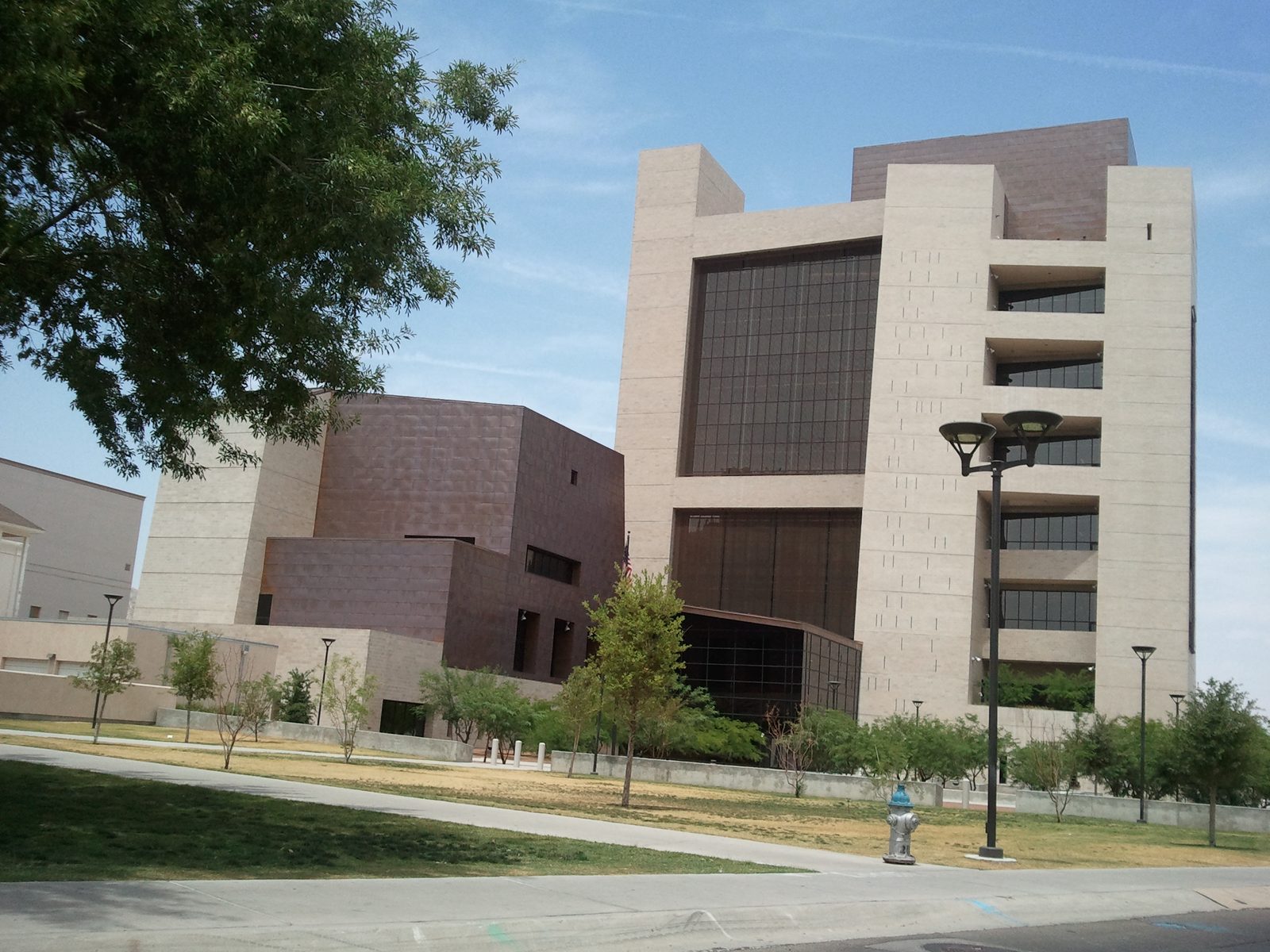
ICE arrests inside courthouses nationwide
ICE arrested people at their immigration hearings, driving absenteeism and lawsuits, until a federal judge vacated the policies nationwide.
Key facts
- Prior limits on courthouse arrests rescinded Jan 2025
- Federal judge vacated the policies nationwide June 23, 2026
- Arrests often followed DHS motions to dismiss cases
Summary
In January 2025, ICE issued guidance allowing civil immigration arrests in or near courthouses when agents have credible information that a targeted person will be present, replacing a prior-administration policy that did not allow such enforcement; from May 2025, ICE began arresting people at their immigration court hearings, creating a chilling effect that has driven absenteeism in immigration courts and prompted lawsuits. A federal judge ordered a halt to courthouse arrests in Northern California in December 2025. On June 23, 2026 the same court vacated ICE's courthouse-arrest policies nationwide.
What happened
In January 2025, ICE replaced prior-administration guidance that did not allow enforcement operations at or near courthouses with a policy permitting civil immigration arrests in or near courthouses when agents have credible information that a targeted person will be present. ICE agents began making arrests inside immigration courthouses. Immigration judges began granting oral motions to dismiss cases on the spot to facilitate ICE custody transfers, denying noncitizens their 10-day response period. A federal judge in Northern California ordered a halt to courthouse arrests in that district in December 2025. Advocates and immigrants filed a class-action lawsuit alleging DHS and DOJ colluded to use courts as arrest sites, violating due process.
Impact on the United States
The policy creates a self-defeating dynamic: immigrants who fail to appear receive automatic orders of removal, but those who appear risk immediate arrest. This undermines case integrity and strains judicial resources. Courts are converted from neutral dispute-resolution venues into arrest sites, compromising broader public trust in the judicial system. Witnesses in state criminal cases involving immigrant victims also stay home, harming criminal prosecutions.
Documented effects
- ICE began arresting people at immigration court hearings in May 2025, often after government lawyers moved to dismiss their cases so they could be placed in expedited removal; a class-action lawsuit filed in July 2025 challenged the practice.[1][5]
- Federal judge ordered halt to courthouse arrests in Northern California in December 2025.[2]
- U.S. District Judge P. Casey Pitts (N.D. Cal.) vacated ICE's 2025 courthouse-arrest policies nationwide on June 23, 2026, ruling under the Administrative Procedure Act that they did not address earlier concerns about chilling effects, safety risks and hearing attendance; the ruling also vacated ICE's waiver of the 12-hour limit on detention in short-term holding facilities.[3][4]
Why this is rated significant
Reversing prior federal limits on courthouse arrests deterred court attendance and disrupted immigration and criminal proceedings, a significant institutional harm; a federal judge vacated the policies nationwide in June 2026.
ICE's 2025 courthouse-arrest policies vacated nationwide by a federal judge on June 23, 2026
Corrections & updates [7]
Every change to a fact on this page after publication is logged here, newest first.
- UpdatedStatus
Updated: on June 23, 2026 U.S. District Judge P. Casey Pitts (N.D. Cal.) vacated ICE's 2025 courthouse-arrest policies nationwide under the Administrative Procedure Act, so the status changed from partially blocked to blocked by court.[3][4]
- CorrectedSummary
No source supports the claim that courthouse arrests had been "banned since the 1980s", under a "40-year" prohibition or "EOIR guidance dating to 1996". ABC News reports that ICE's new guidance, obtained January 22, 2025, allows civil immigration arrests in or near courthouses. It replaced a prior-administration policy that did not allow them. ICE began arresting people at immigration court hearings in May 2025. Government lawyers often moved to dismiss the cases first so the people could be placed in expedited removal (NPR). The cited NIJC release does not document an "absenteeism surge", and no NYC Bar report was located, so that effect is restated from sources.[5][6]
- CorrectedSummary
The display summary said absenteeism "surged" in immigration courts and that victim witnesses stopped appearing. The entry's sources do not document an absenteeism surge. The summary now says what the sources show: a class-action lawsuit challenging the arrests, and a federal judge vacating the policies nationwide in June 2026.[1][3]
+ Show previous and current text- Hide previous and current text
- Previously
- The administration revoked guidance barring ICE from civil arrests inside courthouses, allowing agents to detain individuals at their own hearings. Absenteeism surged in immigration courts and witnesses in victim cases stopped appearing.
- Now
- The administration revoked guidance barring ICE from civil arrests inside courthouses, allowing agents to detain individuals at their own hearings. Immigrants and advocates sued, and in June 2026 a federal judge vacated the courthouse-arrest policies nationwide.
- CorrectedKey facts
No cited source supports the claims that courthouse enforcement 'undermines victim cooperation' or that immigrants who skip hearings face 'automatic removal orders.' Replaced with what the sources report: an immigration judge noticed a dramatic decline in hearing attendance (Courthouse News), and arrests often followed DHS motions to dismiss cases (NPR). Courthouse News Service and Bloomberg Law are legal trade outlets (Tier 3).[3][5]
- CorrectedSeverity rationale
The rationale said the policy was 'partly enjoined'; a federal judge vacated ICE's courthouse-arrest policies nationwide on June 23, 2026. Severity unchanged.[3][4]
+ Show previous and current text- Hide previous and current text
- Previously
- Reversing prior federal policy limiting courthouse arrests deters court attendance and compromises immigration and criminal proceedings, a significant institutional harm partly enjoined.
- Now
- Reversing prior federal limits on courthouse arrests deterred court attendance and disrupted immigration and criminal proceedings, a significant institutional harm; a federal judge vacated the policies nationwide in June 2026.
- CorrectedDisplay copy
The summary line said 'a judge reported falling attendance', which is not in the record; the record documents absenteeism and lawsuits.
- Previously
- ICE arrested people at their immigration hearings, and a judge reported falling attendance, until a federal judge vacated the policies nationwide.
- Now
- ICE arrested people at their immigration hearings, driving absenteeism and lawsuits, until a federal judge vacated the policies nationwide.
- CorrectedCost estimate
Set to $0. The earlier $45 million, and the $300-380 million projected from it, came from assumed per-case costs and case counts that no source publishes.
- Previously
- net $45M so far; 10yr $300M; 15yr $380M
- Now
- net $0; 10yr $0; 15yr $0
Sources [6]
- T3National Immigrant Justice Center - Unlawful ICE Arrests at Immigration Courthouses Prompt Lawsuit by Advocates and Immigrants · Jul 16, 2025 ↗
- T2Mission Local - Judge orders end to ICE courthouse arrests across Northern California, for now · Dec 23, 2025 ↗
- T3Courthouse News Service - Federal judge rules ICE can't make arrests at immigration courthouses · Jun 23, 2026 ↗
- T3Bloomberg Law - ICE Courthouse Arrests Blocked Nationwide by California Judge · Jun 23, 2026 ↗
- T2NPR - ICE's novel strategy allows for more arrests from inside immigration courts · Jun 12, 2025 ↗
- T2ABC News - Trump authorizes ICE to target courthouses, schools and churches · Jan 22, 2025 ↗
Image: Dimples915, CC BY-SA 3.0 (Wikimedia Commons)