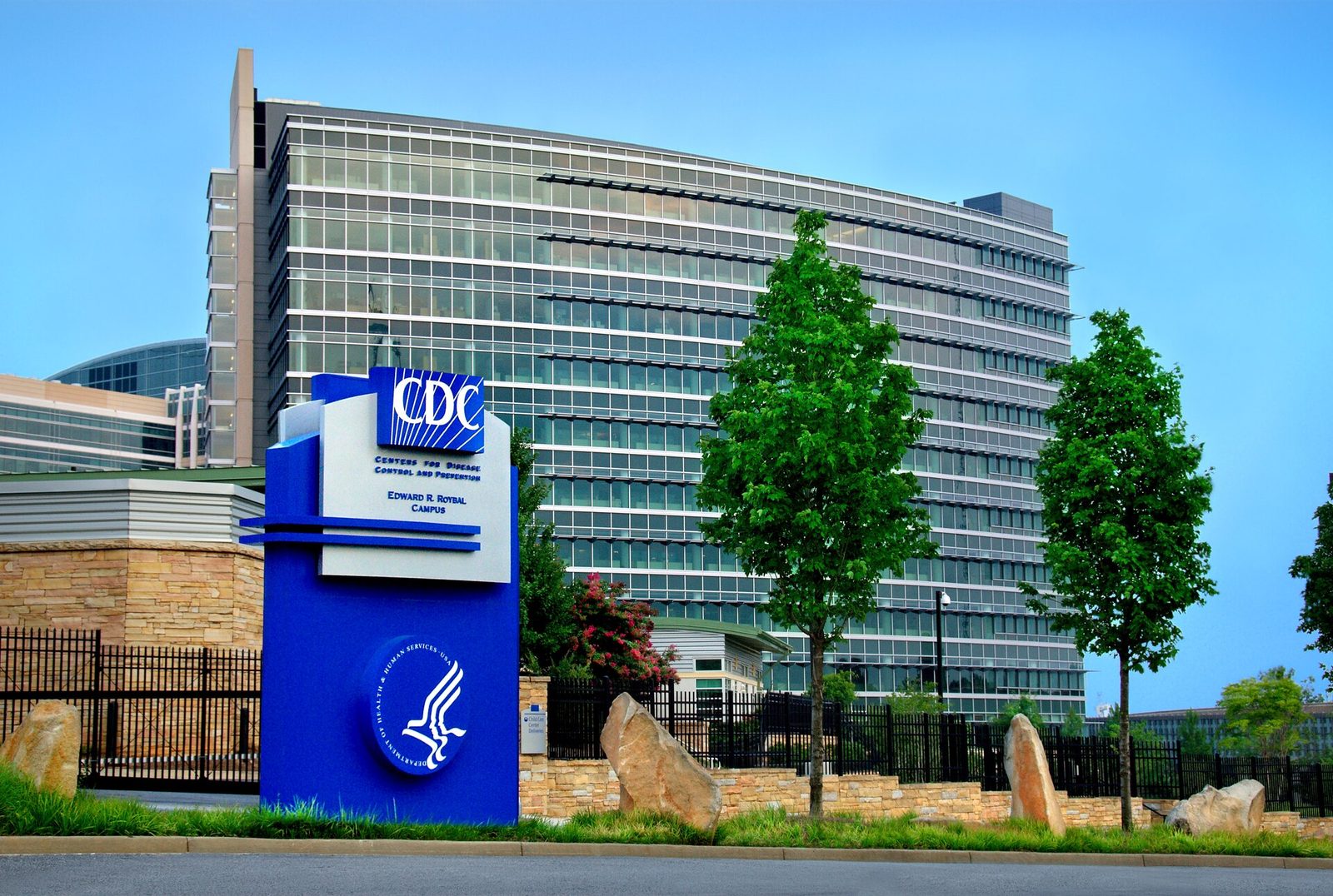
The CDC's global HIV awards, set to lapse
As the State Department takes more control of PEPFAR, ~120 CDC HIV awards serving a reported 8.7M+ patients were set to expire in September 2026.
Key facts
- State Department takes more control of PEPFAR
- ~120 cooperative agreements set to expire
- Puts US global disease-surveillance capacity at risk
Summary
As CNN reported on July 10, 2026, 120 CDC funding awards for HIV/AIDS work under PEPFAR were set to expire in September 2026 with no concrete replacement system in place, as a new plan moves much more control of US global HIV programs to the State Department. A State Department spokesperson said it expects CDC overseas operating funding to increase and that the CDC remains 'the preferred provider for all technical services to recipient countries.'
What happened
The State Department is taking much more control of global HIV programming. About 120 CDC awards for HIV/AIDS work, which analysts say provide services to more than 8.7 million patients worldwide, were set to expire in September 2026 without replacement mechanisms in place, according to an analysis by the Health Security Policy Academy cited by CNN; it was unclear what would happen after October 1. The State Department said it expects CDC overseas operating funding to increase and that the CDC remains the preferred provider of technical services. Separately, the State Department announced plans to phase out PEPFAR support for South Africa.
Impact on the United States
Risks weakening the CDC's global HIV surveillance and program capacity, part of the US global health-security infrastructure (outbreak detection, lab networks) that protects Americans, if the awards lapse without a replacement mechanism.
Global ripple effects
Cuts fall primarily on foreign PEPFAR-supported HIV programs (millions of patients across partner countries, including the announced South Africa phase-out); modeling warns of large increases in HIV infections and deaths globally if services lapse, and US disease-surveillance capacity that guards against imported outbreaks is degraded.
Documented effects
Why this is rated significant
Moves control of US global HIV programming toward the State Department while about 120 CDC HIV awards, which analysts say serve more than 8.7 million patients, were set to lapse in September 2026 with no concrete replacement in place, putting a core US public-health agency's global health-security and disease-surveillance capacity at risk.
about 120 CDC HIV awards set to expire in September 2026
Corrections & updates [4]
Every change to a fact on this page after publication is logged here, newest first.
- CorrectedWhat happened
The claim that appropriated funds were being 'withheld or slow-walked' is not supported by any cited source and is removed. The South Africa statement is replaced with what the State Department announced: a phased drawdown with most programs ending by September 30, 2026 and critical personnel support continuing through March 31, 2027 (Harvard T.H. Chan School of Public Health).[4]
+ Show previous and current text- Hide previous and current text
- Previously
- The State Department is consolidating control of global HIV programming, ending the CDC's implementing role in most PEPFAR countries by September 30, 2026. About 120 CDC awards supporting services for more than 8.7 million patients worldwide face expiration, with unclear continuity after October 1. Reporting indicates funds Congress appropriated are being withheld or slow-walked, and the administration separately announced ending PEPFAR support for South Africa by early 2027.
- Now
- The State Department is consolidating control of global HIV programming, ending the CDC's implementing role in most PEPFAR countries by September 30, 2026. About 120 CDC awards supporting services for more than 8.7 million patients worldwide face expiration, with unclear continuity after October 1. The State Department separately announced a phased drawdown of PEPFAR programming in South Africa, with most programs ending by September 30, 2026 and critical personnel support continuing through March 31, 2027.
- CorrectedSource
Corrected source label: KFF is a specialist health-policy analysis source and is now labeled Tier 3, not Tier 2.[3]
- CorrectedTitle and summary
The entry said the State Department will end the CDC's PEPFAR role in most countries as of September 30, 2026. The sources we could open do not say that. CNN reported that 120 CDC funding awards for HIV/AIDS work were set to expire in September with no concrete replacement system in place, and that a new plan moves much more control to the State Department; a State Department spokesperson said it expects CDC overseas operating funding to increase and that CDC remains 'the preferred provider for all technical services to recipient countries.' No opened source gives the South Africa September 30, 2026 / March 31, 2027 dates; the Harvard source says only that the State Department announced plans to phase out PEPFAR support for South Africa. The entry now states what the sources say.[1][4]
- ClarifiedSource labels
Source tier labels brought in line with the site's tier rule (specialist and trade publications are Tier 3; general news organizations are Tier 2): Science (AAAS) (Tier 2 to 3). No claim in the entry changed.
Sources [4]
- T2CNN - Millions who rely on US-funded HIV/AIDS programs face uncertainty as financial cliff looms · Jul 10, 2026 ↗
- T3Science (AAAS) - Trump administration cuts CDC's key role in global program to stop HIV · Jul 1, 2026 ↗
- T3KFF - The Trump Administration's Foreign Aid Review: Status of PEPFAR · Jun 1, 2026 ↗
- T3Harvard T.H. Chan School of Public Health - What the end of PEPFAR funding could mean for South Africa's HIV response · Jul 13, 2026 ↗
Image: James Gathany, Centers for Disease Control and Prevention, Public domain (Wikimedia Commons)