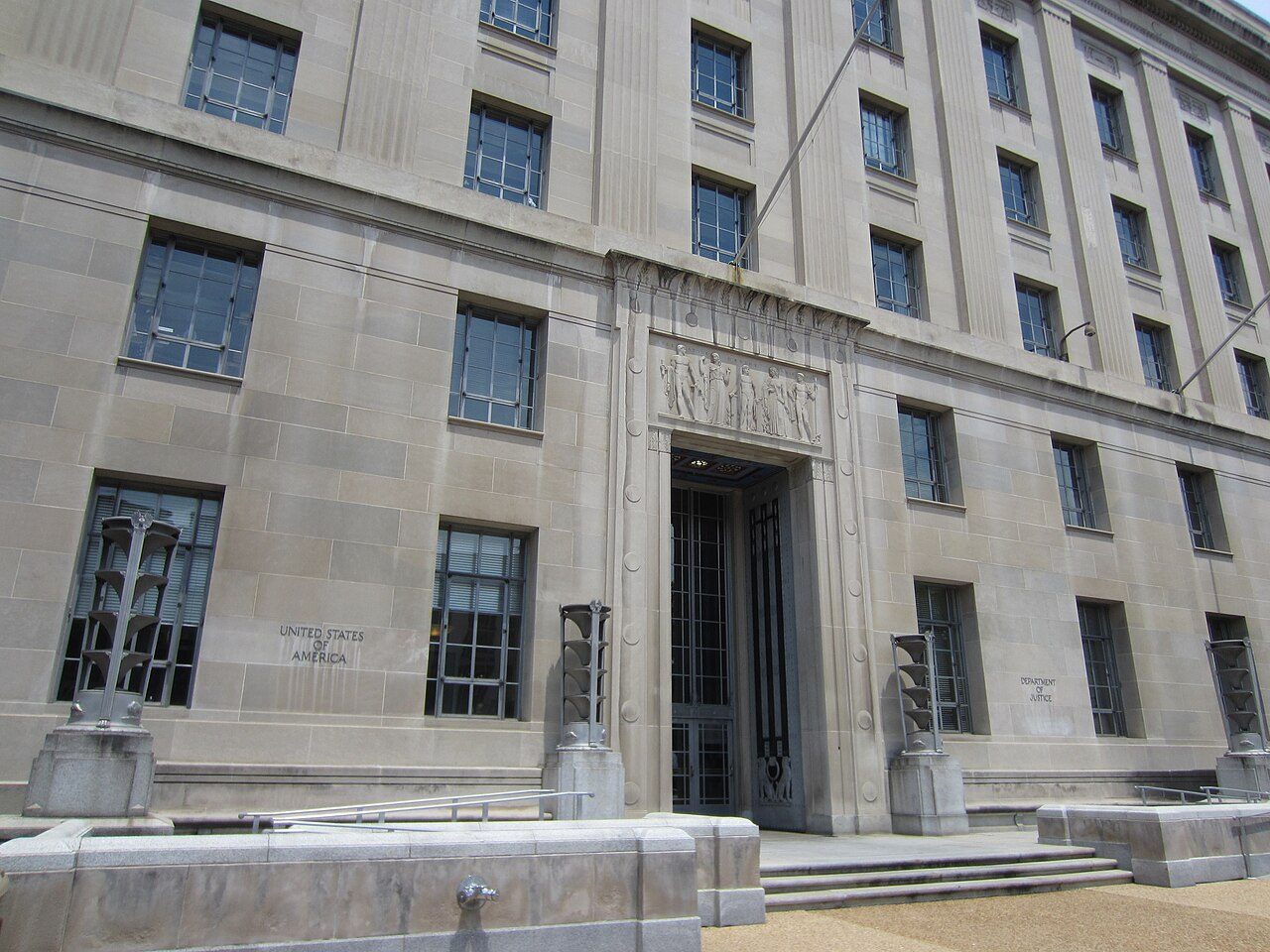
DOJ Civil Rights Division loses 70%
Mass departures and redirected priorities sharply reduced traditional enforcement of voting, housing and policing law.
Key facts
- ~70% of attorneys departed by May 2025
- Investigations dropped or filings withdrawn in ~30 cases
- Voting Section redirected to voter-roll maintenance
Summary
Under the leadership of Harmeet Dhillon, the DOJ Civil Rights Division lost approximately 70% of its attorneys (roughly 250 out of 350) to resignations, reassignments, and deferred-resignation offers by May 2025. The division refocused from traditional enforcement to conservative priorities.
What happened
The Trump administration placed the Civil Rights Division under Harmeet Dhillon, whom the Senate confirmed in April 2025. Under her leadership the division redirected its work toward enforcing the President's executive orders, and the Voting Section was redirected toward voter-roll maintenance and suspected fraud. Some attorneys quit, while others took the deferred-resignation program or retired early; about 250 attorneys (around 70%) had left or were leaving by the end of May 2025, and more than 75% had left by early 2026. The department dropped investigations and withdrew statements of interest or amicus briefs in some 30 cases, according to public court records. In a December 2025 open letter, former division employees said the administration had destroyed much of their work.
Impact on the United States
With most of its attorneys gone and its priorities redirected, the division that enforces the Fair Housing Act, Voting Rights Act, Title VI, employment-discrimination laws and police-misconduct oversight has sharply reduced its traditional enforcement work, weakening federal recourse for communities that relied on DOJ investigations of discriminatory policing, housing denial and school discrimination.
Documented effects
- ~70% of DOJ Civil Rights Division attorneys (about 250) had left or were leaving by the end of May 2025; more than 75% had left by early 2026[1][4]
- Department dropped investigations and withdrew statements of interest or amicus briefs in some 30 cases, per public court records as reported by NPR[1]
- Voting Section redirected toward voter-roll maintenance and suspected fraud; the department withdrew from several voting-rights cases[3]
Why this is rated severe
The departure of about 70% of attorneys (more than 75% by early 2026) and redirected priorities sharply reduced federal civil-rights enforcement in voting, housing and policing nationwide, a serious, currently realized institutional harm.
Corrections & updates [5]
Every change to a fact on this page after publication is logged here, newest first.
- CorrectedSummary
The entry said "nearly 400 people" left, that the Voting Rights and Title VI sections were cut to "fewer than five attorneys or none," and that former staff "told Congress" the division was destroyed. None of these appears in the cited sources. Former employees made the "destroyed" statement in an open letter published online in December 2025, which said about 75% of attorneys had left (Government Executive later reported more than 75%). CBS News reported the Voting Section was redirected toward voter-roll maintenance and suspected fraud. The unsupported claims were removed and the advocacy-group source was replaced with news sources.[1][3][4][5]
- ClarifiedImpact
Wording made more precise: the sources document mass departures and a change in the division's priorities, not that enforcement "effectively collapsed" or that communities are "now unprotected at the federal level."[1][3][4]
- ClarifiedKey facts
NPR reports the department dropped investigations and withdrew statements of interest or amicus briefs in some 30 cases, not that 30 cases were withdrawn; 'collapsed' replaced with the record's wording.[1]
- ClarifiedSeverity rationale
Reworded to neutral language; the facts and the severity rating are unchanged.
+ Show previous and current text- Hide previous and current text
- Previously
- Loss of ~70% of attorneys collapsed federal civil-rights enforcement (voting, housing, policing) nationwide, a serious and currently realized institutional gutting.
- Now
- The departure of about 70% of attorneys (more than 75% by early 2026) and redirected priorities sharply reduced federal civil-rights enforcement in voting, housing and policing nationwide, a serious, currently realized institutional harm.
- CorrectedCost estimate
The $15M cost had no published source, and the deferred-resignation pay it was built on is already counted in the government-wide GAO figure for the buyout program (fork-in-the-road-buyout). The rebuild forecast and broader-cost estimate were also unsourced. All are now 0; the harm is described but not priced.
- Previously
- $15M so far; $60M/10yr; $85M/15yr; $150M broader
- Now
- $0 in all columns (DRP pay counted under fork-in-the-road-buyout)
Sources [4]
- T2NPR - 70% of the DOJ's Civil Rights Division lawyers are leaving because of Trump's reshaping · May 19, 2025 ↗
- T2CBS News - Trump zeroes in on election security. His team has cut thousands of election-focused federal workers. · Jul 16, 2026 ↗
- T3Government Executive - Ex-DOJ civil rights attorneys continue their work 'just not in the division' · Feb 27, 2026 ↗
- T2Al Jazeera - Former US Justice Department staff says civil rights division 'destroyed' · Dec 9, 2025 ↗
Image: Another Believer, CC BY-SA 3.0 (Wikimedia Commons)