Texas redraw challenged as diluting minority votes
A DOJ-prompted mid-decade redraw shifted up to five Democratic-held, largely minority seats toward the GOP; a federal panel blocked it as a likely racial gerrymander, but SCOTUS reinstated it via an unsigned shadow-docket order.
Key facts
- Up to five seats flipped toward Republicans
- Federal panel found a likely racial gerrymander
- SCOTUS reinstated the map 6-3 via an unsigned shadow-docket order, Apr 27, 2026
Summary
A July 2025 DOJ letter pressured Texas to redraw four "coalition" districts, prompting a Trump-pushed mid-decade redistricting that shifted up to five Democratic-held, largely minority seats toward the GOP. A federal panel blocked the map as a likely racial gerrymander, but the Supreme Court reinstated it - first allowing interim use for the 2026 primaries (December 2025) and then, on April 27, 2026, issuing a brief unsigned (shadow-docket) order, 6-3, summarily reinstating the map for the full 2026 cycle.
What happened
A DOJ letter pressured Texas to redraw four "coalition" districts, prompting a Trump-backed mid-decade redistricting that converted up to five Democratic-held, largely minority seats toward Republicans. A three-judge federal panel found the map a likely unconstitutional racial gerrymander and blocked it. On December 4, 2025, the Supreme Court allowed the new map to be used for the 2026 primaries on an interim basis. On April 27, 2026, the Supreme Court issued a brief unsigned (shadow-docket) order, 6-3, summarily reversing the lower-court panel and reinstating the map for the 2026 election cycle, citing back to its December 2025 stay; the three liberal justices dissented. The map is now permitted for the full 2026 cycle, flipping up to five seats, and the effort spread a national redistricting arms race.
Impact on the United States
A three-judge federal panel found the map a likely unconstitutional racial gerrymander; the Supreme Court reversed that ruling, and the map stands for the full 2026 cycle. Civil-rights advocates, including the Lawyers' Committee for Civil Rights Under Law, say it limits the power of Black and Latino voters and that Texas dismantled majority-minority districts after the administration urged it to.
Documented effects
- A three-judge federal panel found the map a likely unconstitutional racial gerrymander and blocked it.[1]
- The Supreme Court allowed Texas to use the challenged map for the 2026 primaries on an interim basis (Dec 4, 2025).[2]
- The Supreme Court issued a brief unsigned (shadow-docket) order, 6-3, April 27, 2026 summarily reversing the panel and reinstating the Texas map, citing back to its December 2025 stay; the three liberal justices dissented. The map is permitted for the full 2026 cycle.[3][4]
Why this is rated severe
DOJ pressure produced a map that a federal panel found to be a likely racial gerrymander (a ruling the Supreme Court reversed), shifting up to five seats before the midterms.
Supreme Court reinstated the map via a brief unsigned shadow-docket order, 6-3, April 27, 2026, reversing the panel's block; map permitted for the full 2026 cycle
Corrections & updates [3]
Every change to a fact on this page after publication is logged here, newest first.
- CorrectedSource
Source title corrected to match the Texas Attorney General's release.[4]
- ClarifiedTitle
The title and headline stated as fact that the map dilutes minority votes. A federal panel found it a likely racial gerrymander, but the Supreme Court reversed that ruling on April 27, 2026; the claim is now attributed to the panel and to civil-rights advocates. The April order was a summary order, not a merits opinion.[1][3]
- ClarifiedDisplay copy
The summary line called the map a 'gerrymander' as fact; that was the lower panel's preliminary finding, which the Supreme Court reversed, and it is now attributed.
+ Show previous and current text- Hide previous and current text
- Previously
- A DOJ-driven mid-decade gerrymander shifted up to five Democratic-held, largely minority seats toward the GOP; SCOTUS reinstated it via an unsigned shadow-docket order.
- Now
- A DOJ-prompted mid-decade redraw shifted up to five Democratic-held, largely minority seats toward the GOP; a federal panel blocked it as a likely racial gerrymander, but SCOTUS reinstated it via an unsigned shadow-docket order.
Sources [4]
- T2CNN Politics - Federal court bars Texas from using new Republican-friendly US House map in midterms · Nov 18, 2025 ↗
- T3SCOTUSblog - Supreme Court allows Texas to use redistricting map challenged as racially discriminatory · Dec 4, 2025 ↗
- T2Al Jazeera - US Supreme Court reinstates Republican-favoured Texas electoral map · Apr 27, 2026 ↗
- T1Texas Office of the Attorney General - Attorney General Ken Paxton Secures Victory in the U.S. Supreme Court to Successfully Defend Texas's Big Beautiful Map for 2026 Elections · Apr 27, 2026 ↗
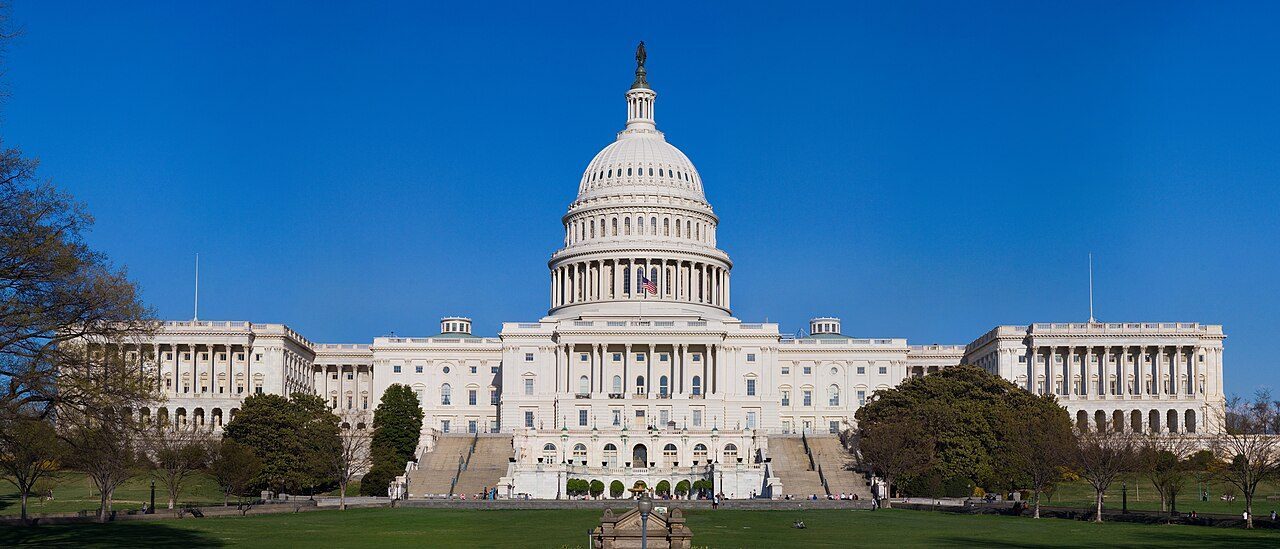
Image: Noclip, Public domain (Wikimedia Commons)