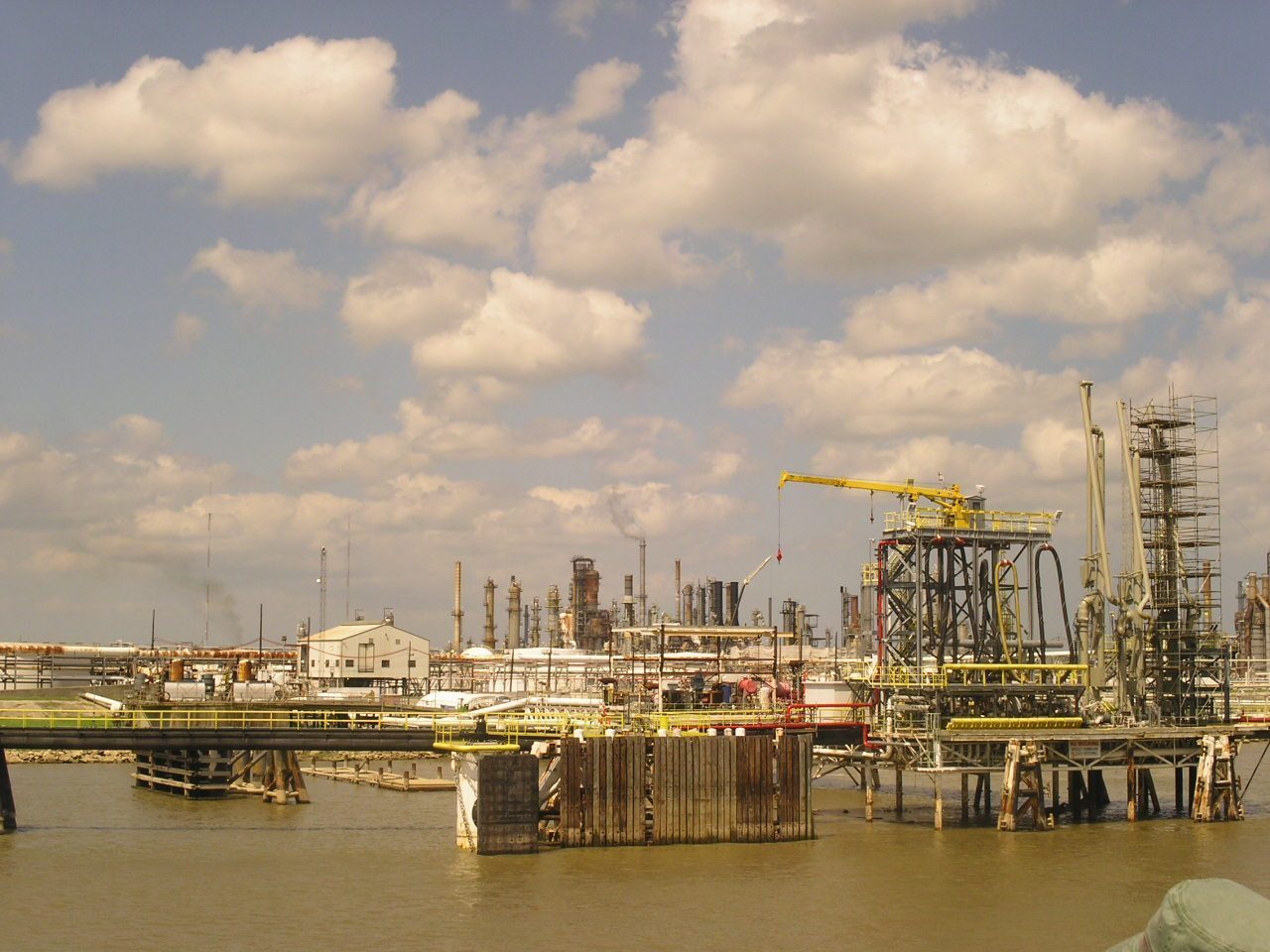
Energy emergency expedites fossil-fuel permitting
Emergency declaration fast-tracked oil and gas while excluding wind and solar.
Key facts
- 6,027 new oil and gas permits approved in 2025
- 22 lease sales covering ~328,000 acres
- Wind and solar excluded from emergency coverage
Summary
Executive Order 14156, "Declaring a National Energy Emergency," invoked emergency authorities under the National Emergencies Act to accelerate oil, gas, coal, and critical-minerals development while defining "energy" in a way that omits wind and solar.
What happened
EO 14156 directed agencies to use emergency Clean Water Act Section 404 permitting, and emergency Endangered Species Act consultation procedures to fast-track energy infrastructure, and to recommend to the President any use of eminent domain or Defense Production Act authorities they consider necessary. As chair of the Endangered Species Act Committee, the Interior Secretary was directed to aim for an initial determination on exemption applications within 20 days and resolution within 140 days of that determination. The emergency was formally continued in January 2026. The order's definition of "energy" omits wind and solar, so those technologies do not receive the same streamlined pathways.
Impact on the United States
The order directed agencies to use emergency permitting and consultation procedures under the Clean Water Act and the Endangered Species Act, and all other lawful emergency authorities, to expedite oil, gas, coal and critical-minerals projects. BLM reported approving 6,027 new oil and gas drilling permits in 2025, more than in any year over the prior 15 years.
Documented effects
- BLM approved 6,027 new oil and gas permits in 2025 - more than any year in the past 15 - and held 22 lease sales generating over $356.6 million, leasing approximately 328,000 acres across 369 parcels in 10 states.[1]
- The order's definition of "energy" omits wind and solar, so those technologies do not receive the emergency's expedited permitting pathways.[2]
Why this is rated significant
Directs emergency permitting and consultation procedures for fossil-fuel projects nationwide, a significant nationwide policy shift with bounded immediate harm.
renewed January 2026
Corrections & updates [7]
Every change to a fact on this page after publication is logged here, newest first.
- CorrectedWhat happened
The entry said the order directed the Interior Secretary to process drilling permit applications within 20 days, and set 140-day ESA consultation timelines. The order says neither. Section 6 of EO 14156 sets a goal of an initial decision within 20 days on applications for exemption from the Endangered Species Act Committee, and resolution within 140 days after that. The order does not "explicitly exclude" wind and solar. Its definition of "energy" simply leaves them out. The January 2026 renewal is now cited to the Federal Register notice of January 14, 2026.[2][3]
- CorrectedKey facts
An effect said federal courts had not yet ruled on whether the emergency could justify bypassing NEPA. The executive order it cited cannot support a statement about litigation, so the clause is removed. The sentence about wind and solar is reworded to match the order's definition of "energy."[2]
+ Show previous and current text- Hide previous and current text
- Previously
- The emergency declaration formally excluded wind and solar, creating a two-tier regulatory system; federal courts have not yet ruled on whether the emergency designation legally justifies bypassing NEPA.
- Now
- The order's definition of "energy" omits wind and solar, so those technologies do not receive the emergency's expedited permitting pathways.
- ClarifiedUS impact
BLM reports 6,027 new oil and gas permits for January 20 to December 31, 2025, more than in any other year of the past 15. It does not call this a record, and it does not credit the emergency declaration for it. The wording now matches the source.[1]
+ Show previous and current text- Hide previous and current text
- Previously
- Environmental and public-health review of oil and gas projects near communities, drinking-water sources, and wildlife habitat was curtailed. Communities adjacent to federal land that previously had public-comment periods on nearby drilling projects lost that participation right under emergency procedures. The emergency fueled a record 6,027 new oil and gas drilling permits on federal lands in 2025.
- Now
- Environmental and public-health review of oil and gas projects near communities, drinking-water sources, and wildlife habitat was curtailed. Communities adjacent to federal land that previously had public-comment periods on nearby drilling projects lost that participation right under emergency procedures. BLM reported approving 6,027 new oil and gas drilling permits in 2025, more than in any year over the prior 15 years.
- CorrectedSummary
The summary text said drilling permit applications had a 20-day processing mandate. EO 14156 contains no such mandate. Its 20-day and 140-day timelines apply to applications for exemption to the Endangered Species Act Committee (Sec. 6). The order does not exclude wind and solar by name; its definition of "energy" leaves them out.[2]
+ Show previous and current text- Hide previous and current text
- Previously
- EO 14156 invoked emergency authorities to accelerate fossil-fuel development and bypass standard environmental review. Drilling permit applications had a 20-day processing mandate; renewable energy received no equivalent benefit.
- Now
- EO 14156 invoked emergency authorities to accelerate fossil-fuel and critical-mineral development through emergency permitting and consultation procedures. Its definition of "energy" omits wind and solar, which received no equivalent fast-track.
- CorrectedUS impact
The entry said communities lost public-comment rights on nearby drilling projects and that review of oil and gas projects was curtailed. No cited source documents either, and the order's text does not mention public comment. It also said the order directed agencies to use Defense Production Act authorities; the order directs agencies to recommend a course of action to the President if they find those or eminent-domain authorities necessary. The text now matches the order and BLM's figures.[1][2]
- ClarifiedSeverity rationale
The severity rationale said the emergency curtails public comment. No cited source documents that; it now describes what the order directs.[2]
- Previously
- Bypasses environmental review for fossil-fuel projects and curtails public comment, a significant nationwide policy shift with bounded immediate harm.
- Now
- Directs emergency permitting and consultation procedures for fossil-fuel projects nationwide, a significant nationwide policy shift with bounded immediate harm.
- CorrectedCost estimate
Removed the 10-year figures: the projected $0.5-0.7B in extra lease revenue and the $3B public-health placeholder were assumptions with no source, and no source ties any 2025 lease revenue to the emergency declaration itself.
- Previously
- $0 so far; -$0.5B / -$0.7B federal 10yr/15yr; $3B broader 10yr
- Now
- $0 on all horizons
Sources [3]
Image: Aindrila Mukhopadhyay, CC BY 2.0 (Wikimedia Commons)