Dozens of officials' and critics' clearances revoked
What experts called an unprecedented, partisan sweep targeted former officials, impeachment witnesses, and prosecutors.
Key facts
- Clearances pulled in waves: 50 (Jan), 15 (Mar), 37 (Aug 2025)
- Targets included Biden, Harris, Clinton, Blinken, Liz Cheney
- Federal judge blocked one revocation as likely unlawful retaliation
Summary
On March 21-22, 2025, Trump signed a presidential memorandum revoking the security clearances of 15 named current and former officials - including former President Biden (and members of his family), former Vice President Harris, former Secretary of State Clinton, former Secretary of State Blinken, Liz Cheney, Adam Kinzinger, Fiona Hill, Alexander Vindman, and New York AG Letitia James - after a January order had stripped clearances from 49 former intelligence officials and John Bolton; experts described the moves as punishing perceived opponents.
What happened
The March 22, 2025 memorandum named 15 individuals, plus members of Joseph R. Biden Jr.'s family; earlier in the term Trump had already revoked clearances of over four dozen former intelligence officials who signed a 2020 letter about the Hunter Biden laptop. Targets included officials involved in Trump's impeachment proceedings and prosecutors who brought criminal cases against him.
Impact on the United States
Experts described the action as unprecedented in scope and partisan intent, warning it chills dissent within the intelligence community and deters career officials from reaching conclusions at odds with the president's interests. A federal judge later blocked Trump's attempt to strip the clearance of an attorney who represented national security whistleblowers.
Documented effects
- More than 50 clearances were revoked in January 2025 alone (49 former intelligence officials plus John Bolton) - described by experts as "unprecedented and partisan" - before the 15-person March memorandum[1]
- PBS reported a federal judge blocked one clearance revocation targeting an attorney who represented whistleblowers, finding it likely unlawful retaliation[2]
- Former intelligence officials stated the actions would deter future intelligence professionals from providing analysis that displeases the president[1]
- In August 2025 the administration said it was revoking the security clearances of 37 more current and former national security officials[2]
Why this is rated limited
Revoked the clearances of dozens of former officials and critics in what experts called an unprecedented and partisan action; the direct harm falls on a small group of named individuals.
Corrections & updates [4]
Every change to a fact on this page after publication is logged here, newest first.
- CorrectedSummary
The March 21-22, 2025 memorandum named 15 individuals (plus members of Joseph Biden's family), not more than 50. The 50 were a separate January 2025 action covering 49 former intelligence officials and John Bolton. The memorandum's stated reason was that access was 'no longer in the national interest'; the political-targeting description comes from experts quoted by NBC News. The claim that Trump said he was pulling clearances from people he does not 'respect' was not found in any cited source and was removed.[1][2][3]
- UpdatedKey facts
In August 2025 the administration said it was revoking the clearances of 37 more current and former national security officials (reported by AP/PBS), so the revocations came in at least three waves.[2]
- Previously
- 50+ clearances revoked across two waves
- Now
- Clearances pulled in waves: 50 (Jan), 15 (Mar), 37 (Aug 2025)
- ClarifiedTitle
The title stated the motive ('as political retaliation') as fact, and the display called the revocations 'an unprecedented partisan sweep' and all targets 'political opponents.' Experts quoted by NBC News called the revocations unprecedented and partisan, and a federal judge found one revocation likely unlawful retaliation; the wording now attributes those characterizations.[1][2]
- ClarifiedSeverity rationale
The severity rationale said the revocations 'weaponized a security tool'; it now attributes the characterization to the experts cited in the record. Severity unchanged.
- Previously
- Revoking clearances of political opponents weaponized a security tool but the direct harm falls on a small group of named individuals.
- Now
- Revoked the clearances of dozens of former officials and critics in what experts called an unprecedented and partisan action; the direct harm falls on a small group of named individuals.
Sources [3]
- T2NBC News - Trump's canceling of 50 security clearances is unprecedented and partisan, experts say · Jan 25, 2025 ↗
- T2PBS News - Judge blocks Trump effort to strip security clearance from attorney who represented whistleblowers · Dec 24, 2025 ↗
- T1White House - Rescinding Security Clearances and Access to Classified Information from Specified Individuals · Mar 22, 2025 ↗
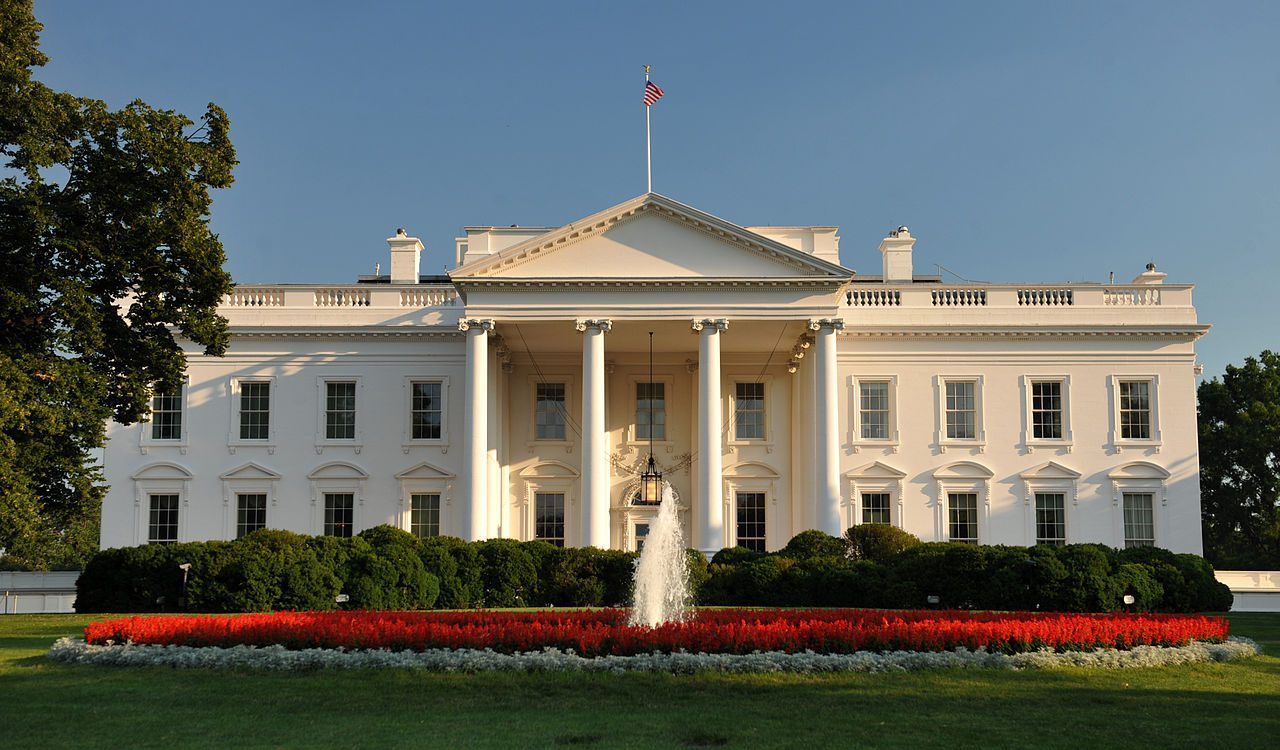
Image: Cezary Piwowarczyk, CC BY-SA 4.0 (Wikimedia Commons)