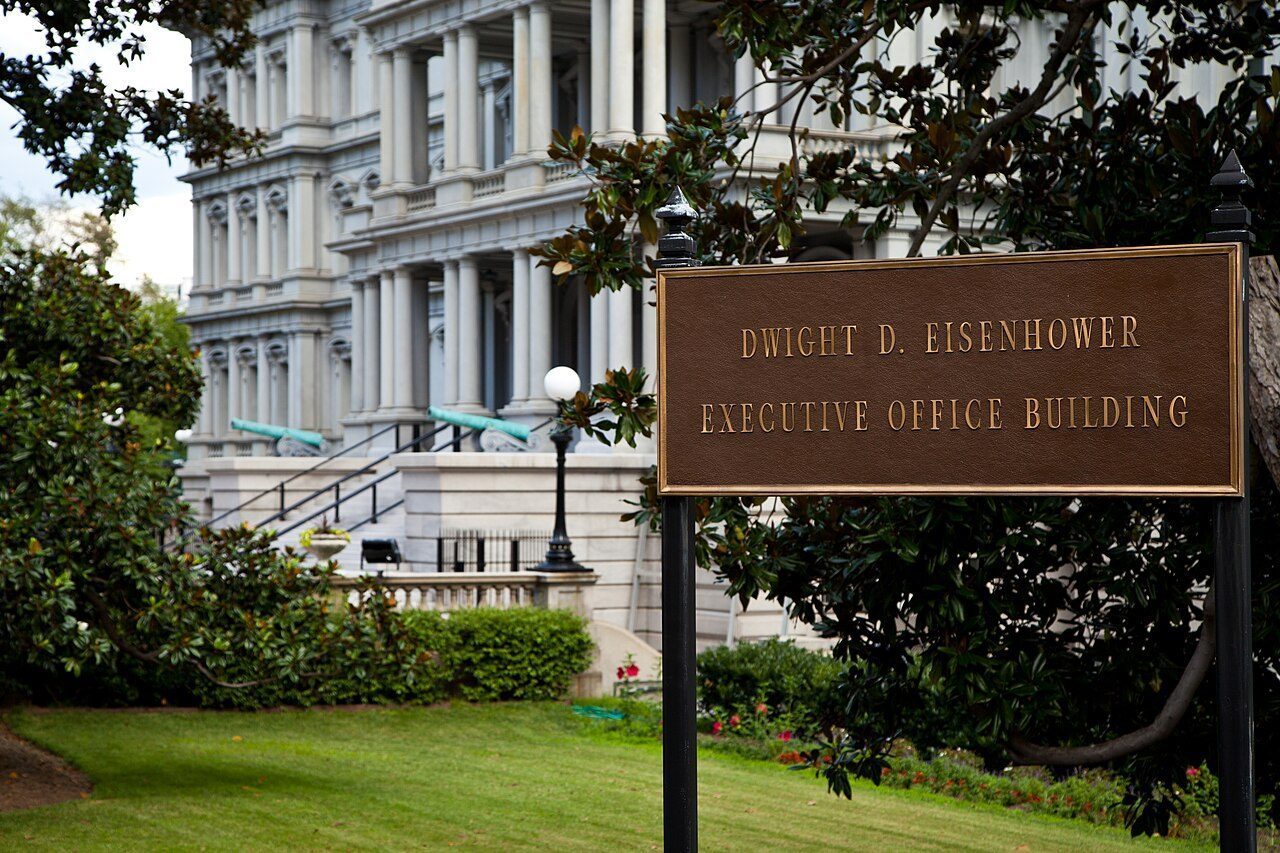
DOGE created with sweeping data access
The order opened agency systems to DOGE while Elon Musk, whose companies hold billions in federal contracts, served in the White House as a special government employee.
Key facts
- SpaceX was awarded 100 federal contracts worth $3B in 2023
- Agencies ordered to form DOGE teams within 30 days
- More than a dozen court cases by March 2025
Summary
President Trump signed an executive order on January 20, 2025, renaming the United States Digital Service as the "United States DOGE Service". The order did not name Elon Musk; the White House later said Musk served as a "special government employee" (SGE) and senior adviser to the president, and a February 2025 White House court filing stated he was neither DOGE's administrator nor a DOGE employee. The order gave DOGE authority to access "all unclassified agency records, software systems, and IT systems."
What happened
Executive Order "Establishing and Implementing the President's Department of Government Efficiency" created a temporary White House-adjacent body with an 18-month mandate (terminating July 4, 2026). Each agency was required to stand up an internal DOGE team within 30 days. Musk's SGE status capped his service at 130 days per year and subjected him to a reduced ethics disclosure regime compared to full-time senior officials. The order provided no independent oversight mechanism for DOGE's activities.
Impact on the United States
A private citizen with billions of dollars in federal contracts (SpaceX, Starlink) was given broad authority to review and restructure federal agencies, creating a structural conflict of interest. The reduced disclosure requirements for SGEs limited public accountability. The mandate to provide DOGE "full and prompt access" to agency IT systems opened sensitive government data networks to DOGE personnel without clear vetting standards.
Documented effects
- DOGE teams gained access to data systems at Treasury, the Social Security Administration, OPM, and the Education and Labor departments within weeks, drawing more than a dozen court cases by March 2025.[6]
- Musk's companies hold billions of dollars in federal contracts - SpaceX alone was awarded 100 contracts worth $3 billion in 2023, according to the New York Times as reported by CBS News - while special government employees face lighter ethics and disclosure obligations than full-time officials.[5][4]
- DOGE reached its scheduled July 2026 sunset, though some of its staffers continued working at federal agencies; a GAO report released in August 2026 found DOGE's published savings tally incorrect or unsupported in places.[7]
Why this is rated significant
Gave a new body broad access to unclassified agency records and IT systems without an independent oversight mechanism, while Elon Musk, whose companies hold billions in federal contracts, served as a special government employee; a significant accountability and security risk.
temporary DOGE organization reached its scheduled July 4, 2026 end date; some DOGE staff continue at agencies
Corrections & updates [7]
Every change to a fact on this page after publication is logged here, newest first.
- CorrectedSummary
The executive order did not name Elon Musk or put him in charge of DOGE. The White House said Musk served as a "special government employee" and senior adviser to the president, and a February 2025 White House court filing stated he was neither DOGE's administrator nor a DOGE employee. Trump publicly named Musk to lead DOGE in December 2024.[1][3][4]
- CorrectedFigure
The entry said SpaceX held about $15 billion in active federal contracts at Musk's appointment, citing an NPR article that does not contain that figure, and we could not confirm it elsewhere. CBS News, citing the New York Times, reported SpaceX was awarded 100 federal contracts worth $3 billion in 2023; NBC News reported SpaceX has won billions in federal contracts.[5][4]
- CorrectedKey facts
The effect on agency data access cited only the executive order, which does not describe it. NPR reported DOGE access to systems at the Social Security Administration, Treasury, OPM, and the Education and Labor departments, challenged in more than a dozen court cases; it did not list the IRS. The order required each agency to form a DOGE team within 30 days, rather than stating that teams were embedded in all agencies.[1][6]
- UpdatedStatus
The order set July 4, 2026 as the end date for the temporary DOGE organization. CNN reported in August 2026 that the DOGE initiative was scheduled to sunset in July, though some of its staffers continue to work at federal agencies, and that a GAO report found DOGE's published savings claims unreliable.[1][7]
- Previously
- in-effect
- Now
- in-effect (temporary DOGE organization reached its scheduled July 4, 2026 end date; some DOGE staff continue at agencies)
- CorrectedSummary card
The summary card said the executive order appointed a businessman with federal contracts to lead DOGE and called Elon Musk a 'private contractor.' The order did not name Musk; the White House said he served as a special government employee and senior adviser to the president, and his companies (not Musk himself) hold billions in federal contracts. The card now matches the entry.[1][4][5]
- ClarifiedSeverity rationale
Replaced 'conflicted private actor' with the documented facts. Severity unchanged.
+ Show previous and current text- Hide previous and current text
- Previously
- Gave a conflicted private actor sweeping access to federal systems, a significant accountability and security risk that enabled broader downstream damage.
- Now
- Gave a new body broad access to unclassified agency records and IT systems without an independent oversight mechanism, while Elon Musk, whose companies hold billions in federal contracts, served as a special government employee; a significant accountability and security risk.
- CorrectedDisplay copy
A key fact said multiple lawsuits were filed by February 2025. The record says the data access drew more than a dozen court cases by March 2025.[6]
- Previously
- Multiple federal lawsuits filed by February 2025
- Now
- More than a dozen court cases by March 2025
Sources [7]
- T1The White House - Establishing And Implementing The President's Department Of Government Efficiency · Jan 20, 2025 ↗
- T2NPR - With a new home for DOGE in the White House, here's what you need to know · Jan 29, 2025 ↗
- T2ABC News - Contradictory statements about Musk make it unclear who runs DOGE · Feb 17, 2025 ↗
- T2NBC News - White House says Elon Musk is serving as a 'special government employee' · Feb 3, 2025 ↗
- T2CBS News - The White House says Elon Musk is a "special government employee." Here's what that means. · Feb 6, 2025 ↗
- T2NPR - DOGE says it needs to know the government's most sensitive data, but can't say why · Mar 26, 2025 ↗
- T2CNN - DOGE claims of saving $110 billion are incorrect and unreliable, GAO says · Aug 6, 2026 ↗
Image: Almonroth, CC BY-SA 3.0 (Wikimedia Commons)