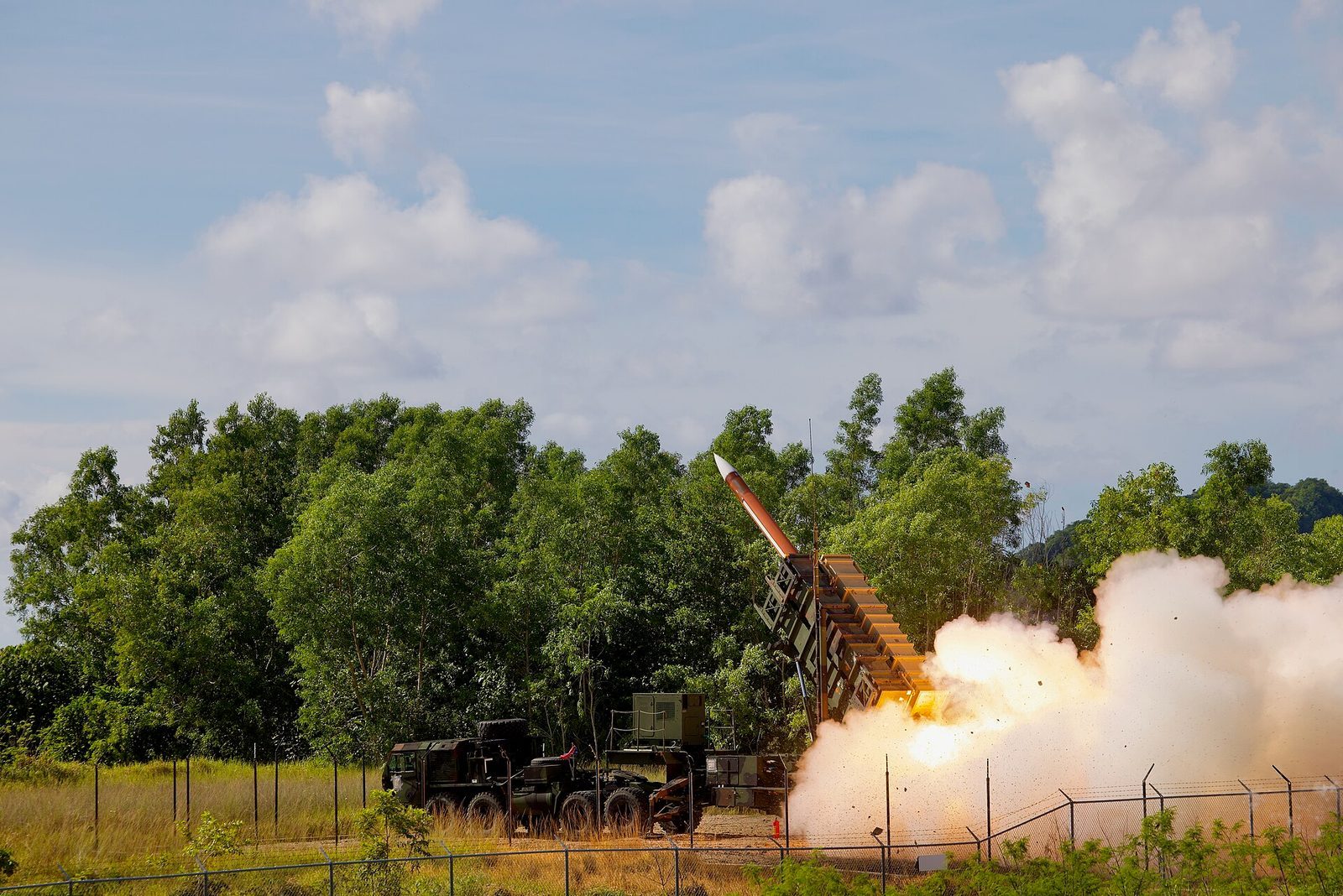
Iran war drains arsenal; allies told to wait years
After the war drew down large shares of US missile stocks, allies were warned that key weapons deliveries could slip by up to five years.
Key facts
- Pentagon IG: $22.3B of munitions spent Feb 28 - June 30
- ~36% of pre-war Patriot interceptors left (CSIS estimate)
- Allies warned of delays of up to 5 years
Summary
After the Iran war used up large shares of US missile and interceptor stocks, the US warned allies to expect delays of up to five years on deliveries of key weapons while it rebuilds its own inventories, Bloomberg reported on September 18, 2026.
What happened
The Pentagon's inspector general reported in mid-September 2026 that Operation Epic Fury cost an estimated $33.4 billion from Feb. 28 to June 30, including $22.3 billion in munitions, and that 'the munitions expenditure on OEF has resulted in strategic inventory shortfalls and revealed industrial base bottlenecks for munitions resupply.' Bloomberg reported on September 18 that the US had warned allies to expect delays of up to five years in deliveries of key weapons, with several European countries facing delays in missile and air-defense systems. Germany had asked to speed up delivery of Tomahawk cruise missiles and Typhon launchers, but Raytheon may not be able to fill the order within five years. Fox News reported on September 8 that, by a CSIS estimate, about 36% of the pre-war Patriot interceptor inventory remained; CSIS senior adviser Mark Cancian said Japan, which bought 400 Tomahawks, was told it is 'being pushed back in the queue', and new orders from Japan and the Netherlands could face delays. About two weeks before the inspector general's report, President Trump had said the US has 'virtually unlimited amounts of Mid to High Grade Ammunition.'
Impact on the United States
Allies that bought US weapons to carry more of their own defense burden, a stated administration goal, now face multi-year waits. That leaves gaps in European air and missile defense against Russia and in Japan's deterrence against China, gaps US forces would otherwise have to fill. The delays also hurt the reliability of US foreign military sales, a major export and a source of US leverage. At home, the shortfall leaves the US less ready for a second contingency: CSIS analyst Mark Cancian said that against China, 'we might be able to provide enough munitions for a month, but getting on to month two or month three or four, that's a great challenge.'
Global ripple effects
Delayed deliveries to European NATO allies, Japan and Ukraine weaken deterrence of Russia and China in the two theaters US security strategy is built around. That raises the risk and potential cost of US involvement in a future crisis, and pushes allies toward non-US suppliers, which erodes US defense-industry exports and influence.
Documented effects
- Pentagon inspector general: Operation Epic Fury cost an estimated $33.4B (Feb 28 - June 30, 2026), $22.3B of it munitions, producing 'strategic inventory shortfalls' and industrial-base bottlenecks[3]
- About 36% of the pre-Iran-war Patriot interceptor inventory remained (CSIS estimate); Japan, which bought 400 Tomahawks, was told it is 'being pushed back in the queue', and new Japanese and Dutch orders could face delays[4]
- US warned allies to expect delays of up to five years on key weapons; Raytheon may not be able to fill Germany's Tomahawk/Typhon request within five years[1][2]
- The shortages complicate Ukraine's request for more Patriot interceptors ahead of winter[2]
- Lockheed Martin plans to raise PAC-3 MSE Patriot interceptor production from about 600 to 2,000 a year[2]
Why this is rated significant
The munitions spent in the Iran war left what the Pentagon's inspector general calls 'strategic inventory shortfalls', and the US has warned allies to expect key weapons deliveries to slip by as much as five years, delaying allied air and missile defenses in Europe and Asia that US strategy relies on.
delays reported Sept. 8-18, 2026; the US is rebuilding its own stockpiles while production ramps up
Corrections & updates [2]
Every change to a fact on this page after publication is logged here, newest first.
- ClarifiedSummary
The display text said the war "used up US missile stocks"; the record says it used up large shares of them, producing "strategic inventory shortfalls" (Pentagon inspector general), so the wording is made precise.[3]
- Previously
- After the war used up US missile stocks, allies were warned that key weapons deliveries could slip by up to five years.
- Now
- After the war drew down large shares of US missile stocks, allies were warned that key weapons deliveries could slip by up to five years.
- ClarifiedSeverity rationale
The severity rationale also stated as fact that the delays make the US 'a less reliable arms supplier'; it now states the documented delays. Severity unchanged.
+ Show previous and current text- Hide previous and current text
- Previously
- The munitions spent in the Iran war left what the Pentagon's inspector general calls 'strategic inventory shortfalls', and the US has warned allies to expect key weapons deliveries to slip by as much as five years. That weakens allied air and missile defenses in Europe and Asia that US strategy relies on, and makes the US a less reliable arms supplier.
- Now
- The munitions spent in the Iran war left what the Pentagon's inspector general calls 'strategic inventory shortfalls', and the US has warned allies to expect key weapons deliveries to slip by as much as five years, delaying allied air and missile defenses in Europe and Asia that US strategy relies on.
Sources [4]
- T2Bloomberg - US Warns Allies of Missile Delivery Delays Due to Shortage · Sep 18, 2026 ↗
- T3The Express Tribune (Anadolu Agency, relaying Bloomberg) - US warns allies of weapons delivery delays due to stocks depleted by Iran war: Bloomberg · Sep 19, 2026 ↗
- T2CBS News / AFP - Pentagon inspector general says $22.3B spent on Iran war munitions has caused "strategic inventory shortfalls" · Sep 15, 2026 ↗
- T2Fox News - US rebuilding weapons stockpile could delay orders from allies · Sep 8, 2026 ↗
Image: U.S. Army photo by Capt. Frank Spatt, Public domain (Wikimedia Commons)