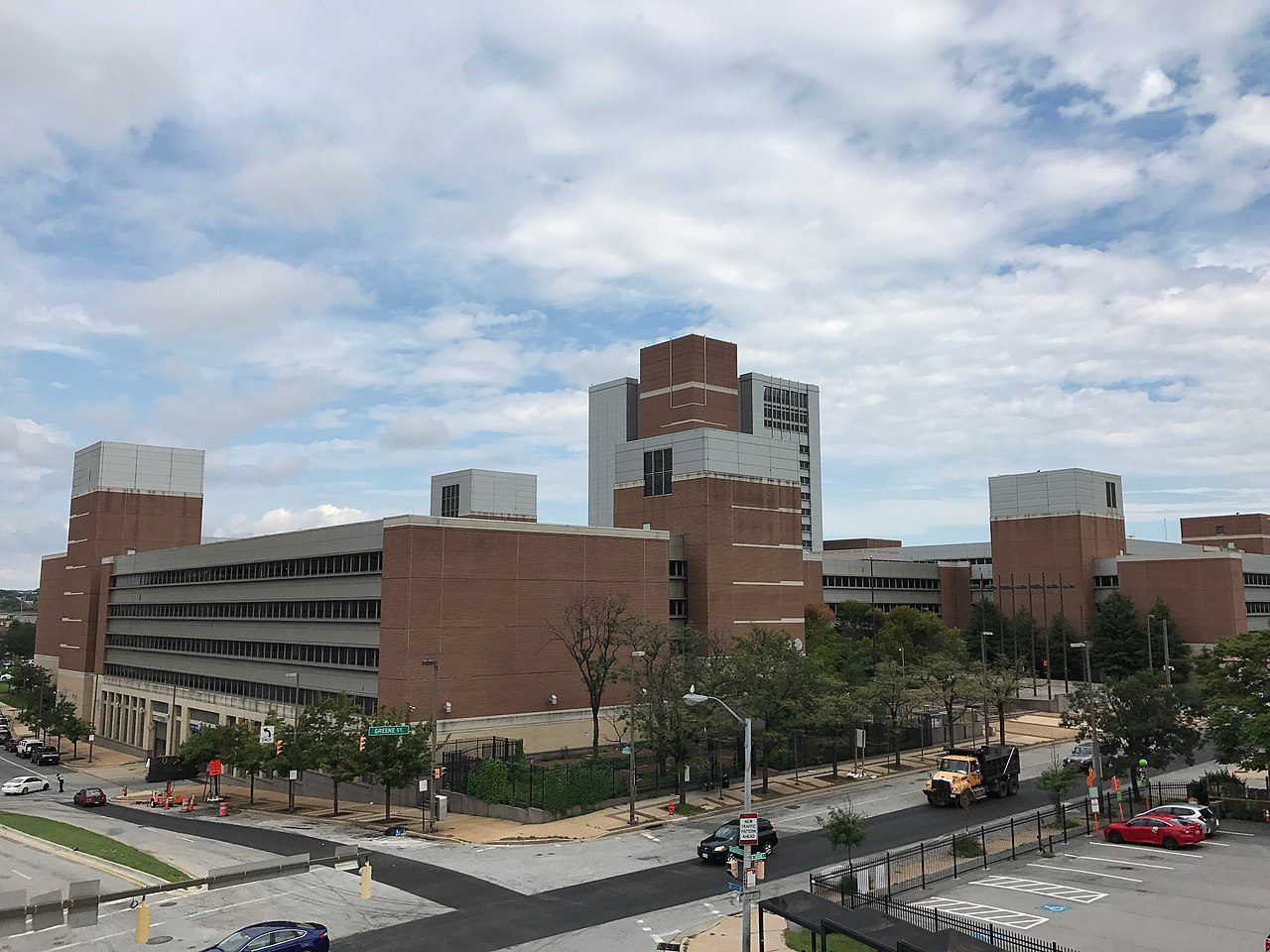
SSA loses 7,500 workers; benefits delayed
The largest SSA staffing cut degraded service for 75 million beneficiaries.
Key facts
- 7,500 employees lost - lowest staffing since 1967
- Disability hearing backlog grew by 73,000 cases
- 12M+ unprocessed local office transactions as of Dec 2025
Summary
Between January 2025 and January 2026, the Social Security Administration lost approximately 7,500 employees (13% reduction) - the largest one-year staffing reduction on record - falling to its lowest staffing level since 1967. The agency serves nearly 75 million Americans who depend on Social Security retirement, disability, and survivor benefits.
What happened
Staff losses included nearly 1,800 social insurance specialists, 1,300+ contact representatives, 1,100+ IT workers, and a 13% reduction in administrative law judges. By May 2025, callers waited an average of 1 hour 45 minutes to reach an agent; fewer than half of callers got through. The disability hearing backlog increased by 73,000 cases between January 2025 and February 2026, with nearly 344,000 appeals awaiting resolution. Over 12 million unprocessed local office transactions were logged as of December 2025. An internal SSA field office operating plan, reported by the Associated Press in December 2025, set a proposed target of 50% fewer field office visits in fiscal 2026.
Impact on the United States
75 million Americans - including retirees, disabled individuals, widows, and orphans - face substantially degraded access to earned federal benefits. Processing delays for disability claims mean months of lost income for vulnerable populations. The agency's capacity to detect fraud and overpayments is also degraded.
Documented effects
- Average SSA phone wait time reached 1 hour 45 minutes by May 2025; fewer than half of callers reached a representative. By January 2026, staffing was the lowest since 1967.[1]
- Disability hearing backlog grew by 73,000 cases (Jan 2025 - Feb 2026), with 344,000 appeals pending; 12 million+ unprocessed local office transactions as of December 2025.[1]
- By April 2026, SSA had lost more than 8,000 workers (14%) since January 2025; 42 states and DC saw SSA staff losses greater than 10%, per OPM data analyzed by CBPP.[2]
- As of July 27, 2026, 16 SSA field offices offered no or limited service after Commissioner Frank Bisignano reassigned more than 1,500 field employees to the 1-800 customer service line; SSA said no office was closed or limited "due to staffing issues," citing maintenance and facility problems[5]
Why this is rated severe
The largest one-year staffing cut on record degraded service for 75 million beneficiaries, with average phone waits of 1 hour 45 minutes by May 2025, a severe realized harm to many Americans.
Corrections & updates [8]
Every change to a fact on this page after publication is logged here, newest first.
- CorrectedSource
Both sources are Center on Budget and Policy Priorities analyses (a specialist policy-analysis group, Tier 3, not Tier 2). The second one was published June 3, 2026, and does not contain the backlog and unprocessed-transaction figures, which come from the March 2026 CBPP report. Tier 2 sources (NPR; Federal News Network, reporting an Associated Press story) are added.[1][3][4]
- ClarifiedKey facts
The 50% field-office target was a proposed goal in an internal SSA operating plan reported by the Associated Press, not a public announcement. Staffing reached its lowest level since 1967 by January 2026, not May 2025; wording made precise.[1][4]
- UpdatedFigure
CBPP reported in June 2026, using OPM data, that SSA had lost more than 8,000 workers (14%) in the 15 months from January 2025 to April 2026, with 42 states and DC losing more than 10% of SSA staff.[2]
- UpdatedEffects
Updated: as of July 27, 2026, 16 Social Security field offices offered no or limited service after more than 1,500 field employees were reassigned to the national phone line. SSA said none of its offices were closed or limited "due to staffing issues," attributing closures to maintenance and facility problems.[5]
- CorrectedSummary card
The summary card called SSA's staffing a '58-year low' and its phone waits 'record.' The sources say staffing fell to its lowest level since 1967 and that callers waited an average of 1 hour 45 minutes by May 2025; they do not describe the waits as a record. The card now uses the sourced figures.[1]
+ Show previous and current text- Hide previous and current text
- Previously
- Social Security Administration staffing fell to a 58-year low, producing record phone wait times and swelling claims backlogs. Disabled individuals, retirees, and survivors faced months-long delays accessing earned benefits.
- Now
- Social Security Administration staffing fell to its lowest level since 1967. By May 2025 callers waited an average of 1 hour 45 minutes to reach an agent, and the disability hearing backlog grew by 73,000 cases between January 2025 and February 2026.
- CorrectedSeverity rationale
The severity rationale described 'record wait times', which the record does not state; it now gives the documented average wait. Severity unchanged.[1]
+ Show previous and current text- Hide previous and current text
- Previously
- Largest one-year staffing cut on record degraded service for 75 million beneficiaries with record wait times, a severe realized harm to many Americans.
- Now
- The largest one-year staffing cut on record degraded service for 75 million beneficiaries, with average phone waits of 1 hour 45 minutes by May 2025, a severe realized harm to many Americans.
- ClarifiedSource labels
Source tier labels brought in line with the site's tier rule (specialist and trade publications are Tier 3; general news organizations are Tier 2): Federal News Network (Tier 2 to 3); Government Executive (Tier 2 to 3). No claim in the entry changed.
- CorrectedCost estimate
The Social Security staffing figures were our own estimates with no published source (and a cited $800M savings claim could not be found). No source sizes the cost or the savings, so the entry now books $0 and describes the documented service damage instead.
- Previously
- $2.8B net so far; $14B 10yr; $20B 15yr; $6B broader
- Now
- $0 (no published estimate)
Sources [5]
- T3Center on Budget and Policy Priorities - Trump Administration Personnel Policies Harming Social Security Customer Service, Risk Lasting Damage · Mar 23, 2026 ↗
- T3Center on Budget and Policy Priorities - New Data Show Social Security Staff Cuts Harm Service Delivery in Every State · Jun 3, 2026 ↗
- T2NPR - Efforts to shrink Social Security's phone wait times are putting a strain elsewhere · Jul 22, 2025 ↗
- T3Federal News Network - The Social Security Administration plans to cut field office visits by 50%. What it means for you · Dec 5, 2025 ↗
- T3Government Executive - Dem senators demand answers on SSA field office closures despite Bisignano's vow · Jul 28, 2026 ↗
Image: Baltimore Heritage, CC0 1.0 (Wikimedia Commons)